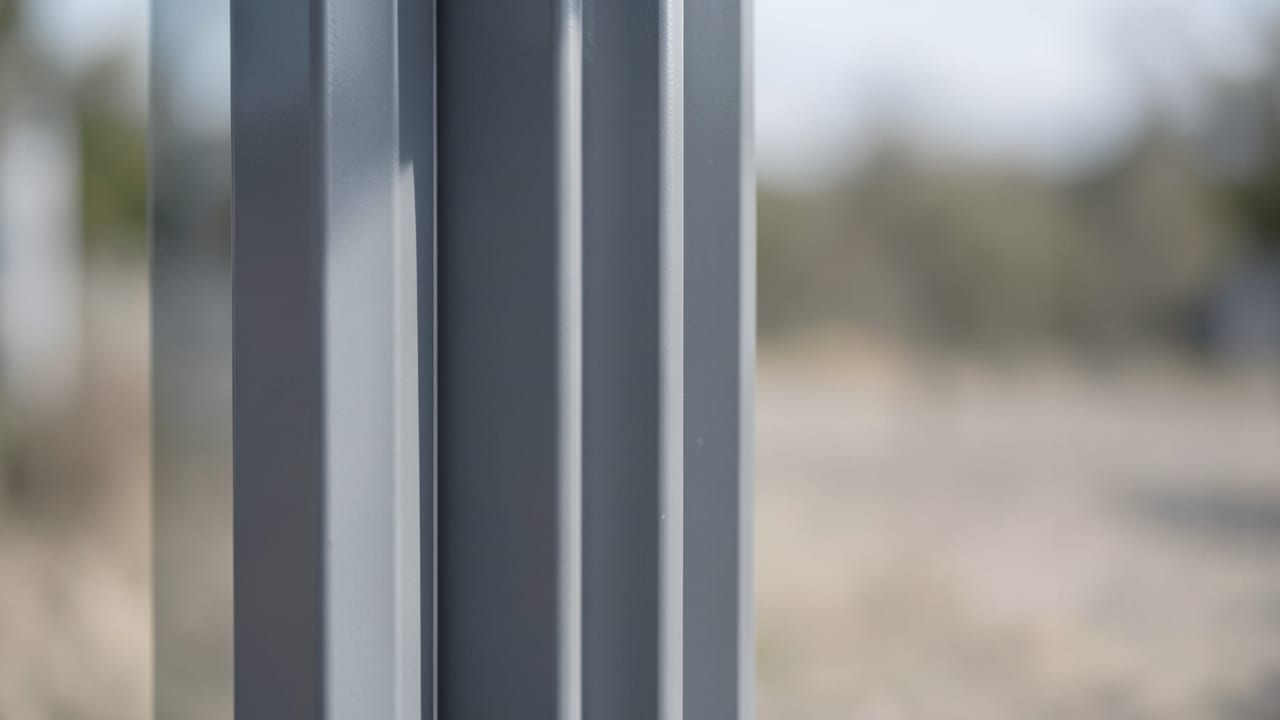
Rust Removal
Professional pressure washing to remove rust stains from driveways, sidewalks, and exterior surfaces.
Rust removal in Orange Park, FL, targets unsightly oxidation stains on metal surfaces, driveways, and siding caused by moisture exposure. Using high-pressure washing and targeted detergents, this service restores curb appeal while protecting landscaping and delicate surfaces.
Local conditions—like humidity and coastal salt air—accelerate rust, making timely removal essential for maintaining your home’s exterior.
We also handle Graffiti Removal and Solar Panel Cleaning for Orange Park properties.
When rust removal is needed
Rust stains often start as faint discoloration on metal furniture, railings, or driveways but worsen into deep, stubborn marks if ignored. In Orange Park’s damp climate, these stains spread faster on surfaces exposed to shade, moisture, or salt air.
Check for greenish or black streaks on siding, chalky residue when running a hand over metal, or cobwebs and debris collecting in corners—signs the surface needs cleaning.
Rust isn’t just cosmetic. Left unchecked, it weakens metal structures, peels paint, and even damages siding seams over time. A thorough inspection before booking ensures the job targets the root cause, not just surface stains.
For example, a sprinkler aimed at your driveway or overgrown vegetation touching siding can trap moisture, making those areas prime for rust recurrence.
Signs Your Home Needs Rust Removal
- Green or black streaks on siding, especially on north-facing walls or shaded areas (algae/mildew masking rust).
- Chalky residue on metal surfaces when touched—indicates oxidation buildup.
- Cobwebs or debris collecting in corners, under eaves, or around light fixtures (early grime buildup).
- Peeling paint or blistering on metal furniture, railings, or garage doors.
- Water stains or discoloration spreading on concrete driveways or patios.
What affects pricing and timing?
The size of the surface area and the severity of rust or staining are the primary factors in pricing. A small metal table or railing requires minimal time and solution, while a two-car driveway or full siding job demands more labor, detergent, and protective measures.
In Orange Park, most driveway or concrete cleaning jobs fall within a predictable range, but siding or roof work can vary based on access challenges or material type.
Timing depends on weather conditions—avoiding direct sunlight or rain during the job ensures detergents work effectively and prevents streaking. If your home has multiple surfaces needing attention (e.g., driveway + siding + metal furniture), scheduling them in separate sessions may be recommended to maintain quality.
Pre-existing damage, like cracked paint or loose mortar, can also extend the job if repairs are needed.
Protecting your home during the process
Before any nozzle is turned on, landscaping near the foundation is wetted down and covered, and outlets or fixtures are bagged to prevent detergent runoff or overspray damage. This step is critical in Orange Park’s landscape-heavy neighborhoods, where plants and pets are often close to the work area.
The wrong detergent or pressure can harm grass, shrubs, or even siding materials like vinyl or stucco.
A soft-wash method—using low-pressure rinses and specialized detergents—is standard for siding to avoid forcing water behind panels, which can lead to mold or rot. Metal surfaces, however, may require higher pressure to remove deep rust stains, but even then, the technique focuses on controlled passes to prevent damage.
Always ask for a written scope detailing the method per surface to avoid surprises.
Using a pressure washer without pre-treatment can push rust particles deeper into porous surfaces like concrete or wood, making stains harder to remove. Skipping the final rinse leaves detergent residue, which attracts dirt and can damage plants. Never aim a wand directly into siding seams—this forces water behind panels, risking hidden mold or structural damage.
How rust removal works
A professional rust removal job combines detergent chemistry with controlled pressure to restore surfaces safely.
- 1Pre-Treatment and Protection
Landscaping near the work area is covered, and outlets or fixtures are sealed. A detergent formulated for the surface—whether metal, concrete, or siding—is applied at low pressure to break down rust, algae, and mildew without blasting them off immediately.
- 2Controlled Pressure Washing
For metal or concrete, a high-pressure nozzle (1,500–4,000 PSI) targets rust stains in overlapping passes, working top to bottom. Siding uses a wide-fan tip at under 500 PSI to avoid damaging seams or forcing water behind panels.
- 3Spot Treatment for Stubborn Stains
Areas with heavy rust or mildew get a second, more concentrated application of detergent or a targeted pressure pass. This step prevents streaking and ensures even coverage without risking surface damage.
- 4Final Rinse and Inspection
A clear-water rinse removes all detergent, and the surface is walked in daylight to check for missed spots, lifting panels, or damage. Any pre-existing issues—like cracked paint or loose mortar—are noted for separate attention.
Frequently asked questions
Will rust removal damage my siding or driveway?
When done correctly, professional rust removal uses pressure and detergents tailored to your materials. Siding requires low-pressure soft washing to avoid forcing water behind panels, while driveways use controlled high-pressure passes. Always ask for a written scope specifying the PSI and method per surface to prevent damage.
How long will it take for rust to come back if I only clean the surface?
Rust returns fastest where moisture lingers—shaded areas, near vegetation, or under sprinkler spray. Trimming back plants, adjusting sprinkler heads, and sealing cleaned metal surfaces can slow recurrence. A thorough job addresses the root cause, but ongoing maintenance (like gutter cleaning) helps prevent future buildup.
Can I use a pressure washer myself instead of hiring someone?
DIY pressure washing risks streaking, uneven cleaning, or damage if the wrong PSI or technique is used. Rust removal requires specialized detergents and controlled passes to avoid pushing corrosion deeper into surfaces. Hiring a pro ensures proper protection for landscaping, outlets, and delicate materials like vinyl siding.
What should I do if my siding looks uneven after cleaning?
Uneven cleaning—like zebra striping—happens when the wand moves at inconsistent speeds. If this occurs, the job should be redone with overlapping passes at a steady pace. Contact the service provider immediately to address it, as it’s a technique issue, not a material failure.
Where Orange Park sits, and what the Census lists nearby
Orange Park sits in Florida, and the closest places listed in the U.S. Census Gazetteer are Bellair-Meadowbrook Terrace (1.9 miles west), Lakeside (4.5 miles southwest), Fleming Island (5 miles south), Fruit Cove (7.2 miles southeast).
Within 25 miles of Orange Park the same source lists 20 distinct incorporated places and census-designated places.
Those figures matter for rust removal because they are straight-line distances between Census coordinate points: road mileage between Orange Park and Bellair-Meadowbrook Terrace runs longer than the 1.9 miles shown, which is why quotes for the same job differ between towns that look close together on a map.
Source: U.S. Census Bureau Gazetteer.
See Keystone Heights, FL for more, or take a look at the rest of our Orange Park lineup in one place for our complete lineup.
Ready to get started?
Talk to a local pressure washing pro in Orange Park — get a written quote.
Other Pressure Washing Services in Orange Park
Graffiti Removal in Orange Park, FL
Graffiti removal from exterior walls and surfaces in Orange Park, FL.
Learn More
Solar Panel Cleaning in Orange Park, FL
Solar panel cleaning in Orange Park, FL — low-pressure, purified-water rinse that restores panel output without scratching the glass.
Learn More
Fleet Washing in Orange Park, FL
Mobile fleet washing for commercial vehicles in Orange Park, FL — on-site cleaning for work trucks and vans.
Learn More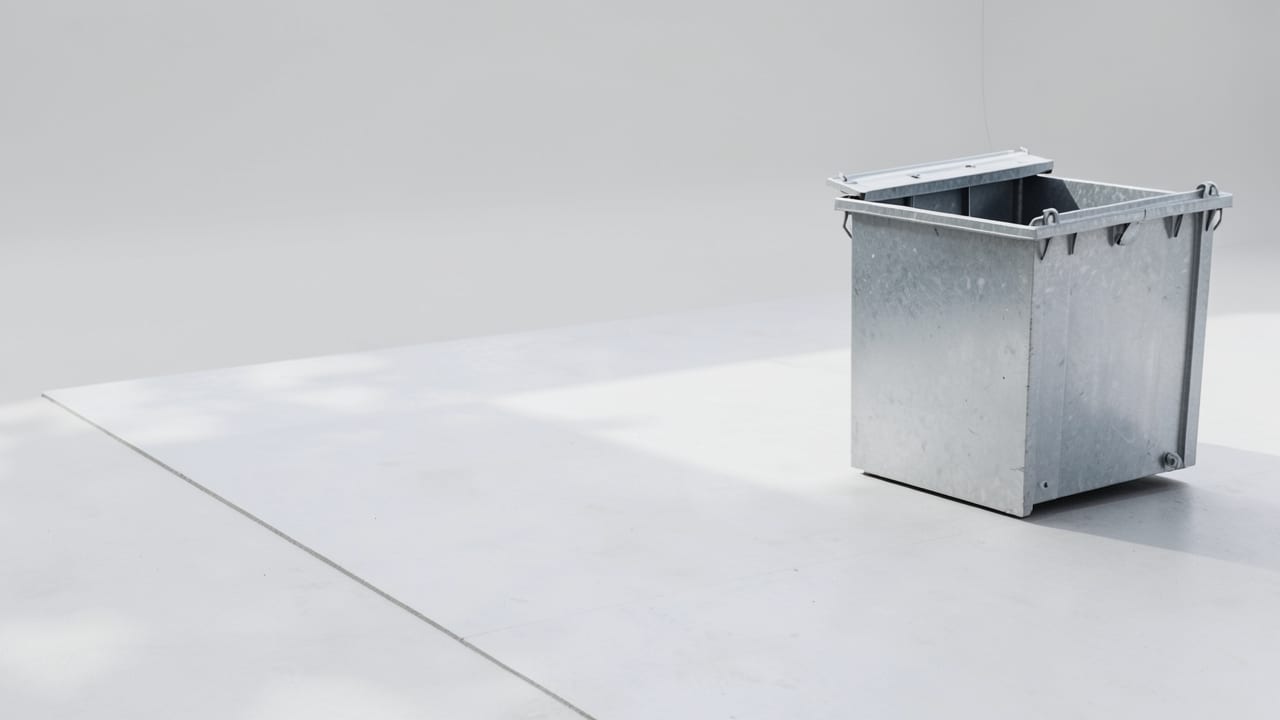
Dumpster Pad Cleaning in Orange Park, FL
Commercial dumpster pad cleaning in Orange Park, FL — hot-water sanitizing for grease, odor, and staining.
Learn More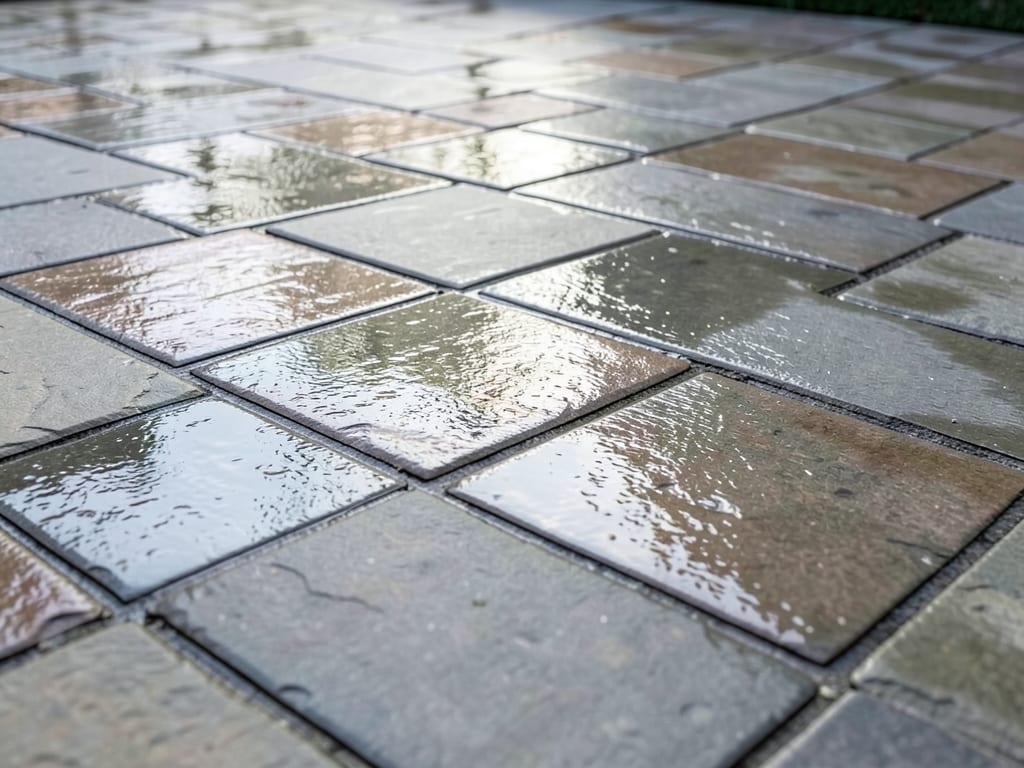
Paver Sealing in Orange Park, FL
Paver sealing in Orange Park, FL — a protective, wet-look finish applied after cleaning to lock in color and block stains.
Learn More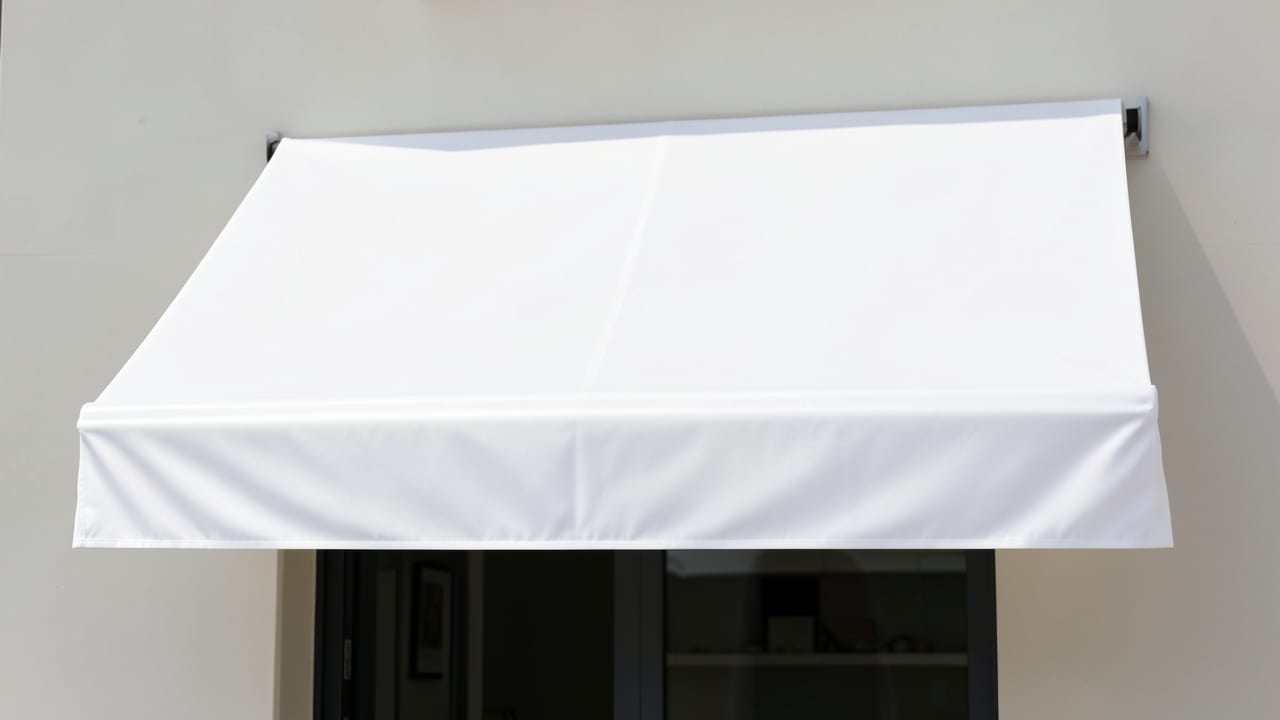
Awning & Canopy Cleaning in Orange Park, FL
Awning and canopy cleaning in Orange Park, FL — fabric-safe, low-pressure cleaning for storefront and residential awnings.
Learn MoreCommon Questions About Pressure Washing in Orange Park
Everything you need to know about pressure washing services in Orange Park
How much does Rust Removal typically cost in Orange Park, FL?
Why does algae and mildew growth on homes in Orange Park, FL come back so quickly?
What's the actual difference between pressure washing and soft washing?
How often should a home's exterior actually be washed?
Are the cleaning chemicals used in soft washing safe for landscaping and pets?
Would home insurance cover damage caused by improper pressure washing?
Need Pressure Washing in Orange Park?
Get a written quote from our Orange Park crew.
⏰ We answer your call • Serving all of Orange Park and surrounding areas