Boat Dock Cleaning
Pressure washing to remove algae, grime, and debris from boat docks and surrounding areas.
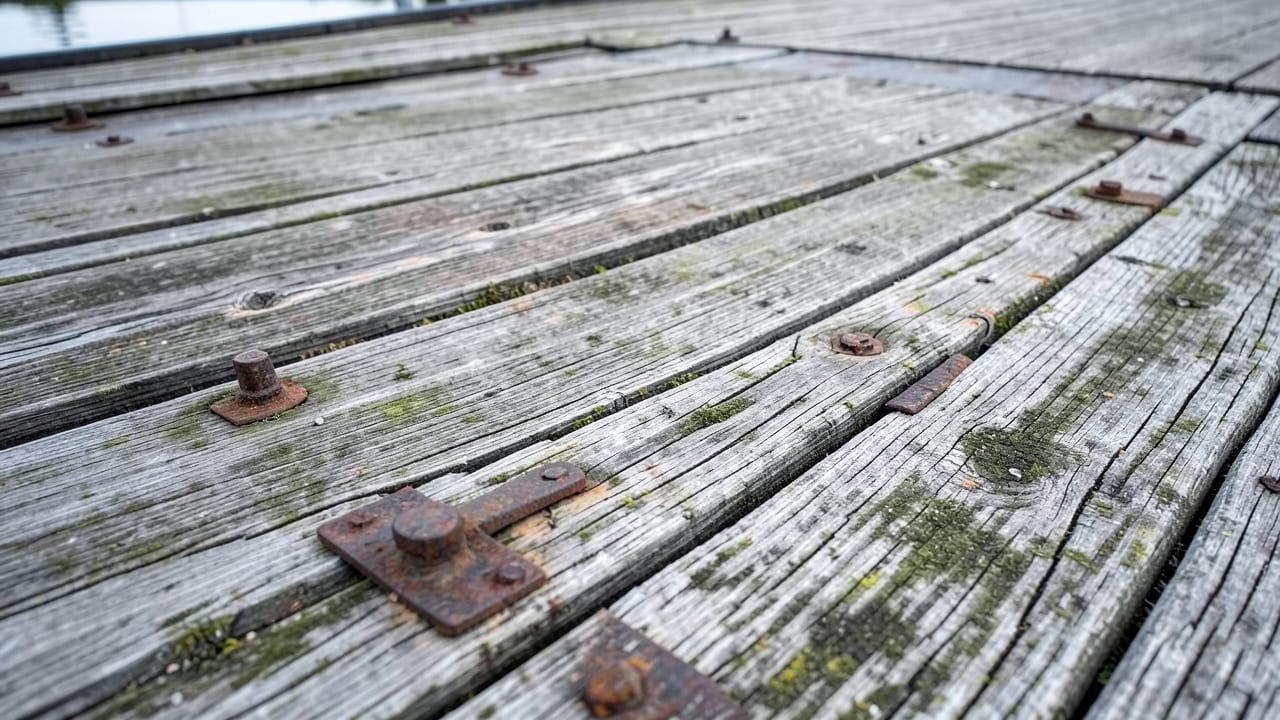
Boat dock cleaning in Orange Park, FL, removes algae, mold, and grime from wood, composite, or concrete surfaces using high-pressure washing techniques. This service restores your dock’s appearance, prevents slippery hazards, and extends its lifespan by addressing weathering before it causes structural damage.
Local docks in areas like Fleming Island and Green Cove Springs benefit from careful cleaning tailored to the specific materials and conditions of each dock.
We also handle Mailbox Cleaning and AC Unit Exterior Cleaning for Orange Park properties.
When your dock needs cleaning: signs to watch for
Dock cleaning isn’t just about looks—it’s about safety and longevity. Look for an even gray fade across the wood, which signals UV damage breaking down surface fibers. This is the first sign that cleaning and resealing can still reverse before rot sets in.
Concentrated greenish or black films under railings or in shaded corners indicate algae or mildew thriving where moisture lingers.
Boards that feel rough or splinter easily—even without visible damage—mean surface fibers are lifting. If water soaks in instead of beading, your sealant has worn through, leaving the wood vulnerable to graying, splintering, and eventual rot. Addressing these signs early prevents costly repairs down the line.
Is Your Dock Due for Cleaning?
- Gray fading across the entire surface (UV damage breaking down fibers)
- Greenish/black films concentrated under railings or in shaded corners (algae/mildew)
- Boards feeling rough or splintering more easily than before (lifting fibers)
- Water soaking in instead of beading off (worn sealant exposing wood)
What affects pricing and timing?
The size and material of your dock—wood, composite, or concrete—directly impact cost and time. Wood docks require careful pressure settings and often need sealing afterward, while concrete may only need a deep clean.
The extent of algae, mold, or grime buildup also plays a role; heavily overgrown docks take longer to restore safely.
Accessibility matters too. Docks with tight corners, multiple levels, or limited space for equipment may require extra time and labor. Weather conditions, like humidity or recent rain, can also delay drying time before sealing, affecting scheduling. Always confirm whether the quote includes sealing or if it’s an add-on.
Common mistakes to avoid
Using the wrong pressure setting can damage your dock instead of cleaning it. High pressure on soft or weathered wood tears open fibers, leaving a fuzzy texture that worsens as the wood dries. Similarly, spraying directly into joints forces water into the framing, where it traps moisture and promotes rot.
Skipping the drying period before sealing is another mistake. Wet wood traps moisture under new sealant, causing bubbles, peeling, or discoloration within months. Always allow 48 hours for wood to dry fully, especially in Orange Park’s humid climate.
Gouging wood or driving water into joints are irreversible. Always confirm the technician checks wood condition first and uses low-pressure detergents with the grain.
How boat dock cleaning works
A thorough dock cleaning balances pressure, chemistry, and technique to restore your surface without damage.
- 1Inspect Wood Condition
The technician checks the wood type and condition—soft, weathered wood requires lower pressure than sealed or composite materials—to avoid gouging or tearing fibers.
- 2Apply Low-Pressure Detergent
A wood-safe cleaning solution is sprayed at low pressure to lift algae, mold, and gray weathering, working *with* the grain to prevent water from driving into fibers.
- 3Hand-Scrub Tight Spots
Railings, stair treads, and corners are finished by hand or with a stiff brush, as wide-angle pressure tips can gouge narrow gaps between boards.
- 4Rinse Gently and Dry
A final low-pressure rinse follows the grain to remove detergent without forcing water into joints. The dock is left to dry fully (2–3 days) before sealing.
- 5Seal (If Included)
Sealant is applied *only* to dry wood to prevent moisture trapping under the new coating, which causes premature peeling or bubbling.
Frequently asked questions
How often should I clean and seal my wood dock?
Wood docks typically need cleaning every 1–2 years, with sealing every 2–3 years depending on sun exposure and weather. Check for gray fading or water absorption as signs it’s time—waiting until damage is visible means the wood is already compromised.
Will pressure washing damage my dock’s sealant?
No, if done correctly. Low-pressure detergent wash and rinsing with the grain remove grime without stripping sealant. However, high pressure or incorrect angles can tear fibers, so always confirm the technician uses wood-safe methods.
Can I seal my dock right after cleaning?
No. Wood must dry completely—typically 48 hours in dry conditions, longer in humidity—to prevent moisture trapping under the new sealant, which causes bubbles or peeling within months.
What’s the difference between pressure washing and soft washing for docks?
Pressure washing uses high PSI to blast off debris, risking damage to soft wood. Soft washing uses low pressure with detergents to lift grime safely. Wood docks *always* require soft-wash methods to avoid gouging or fiber damage.
Where Orange Park sits, and what the Census lists nearby
Orange Park sits in Florida, and the closest places listed in the U.S. Census Gazetteer are Bellair-Meadowbrook Terrace (1.9 miles west), Lakeside (4.5 miles southwest), Fleming Island (5 miles south), Fruit Cove (7.2 miles southeast).
Within 25 miles of Orange Park the same source lists 20 distinct incorporated places and census-designated places.
Those figures matter for boat dock cleaning because they are straight-line distances between Census coordinate points: road mileage between Orange Park and Bellair-Meadowbrook Terrace runs longer than the 1.9 miles shown, which is why quotes for the same job differ between towns that look close together on a map.
Source: U.S. Census Bureau Gazetteer.
See Nassau Village-Ratliff, FL for more, or discover our full Orange Park-area coverage by neighborhood for our complete lineup.
Ready to get started?
Talk to a local pressure washing pro in Orange Park — get a written quote.
Other Pressure Washing Services in Orange Park
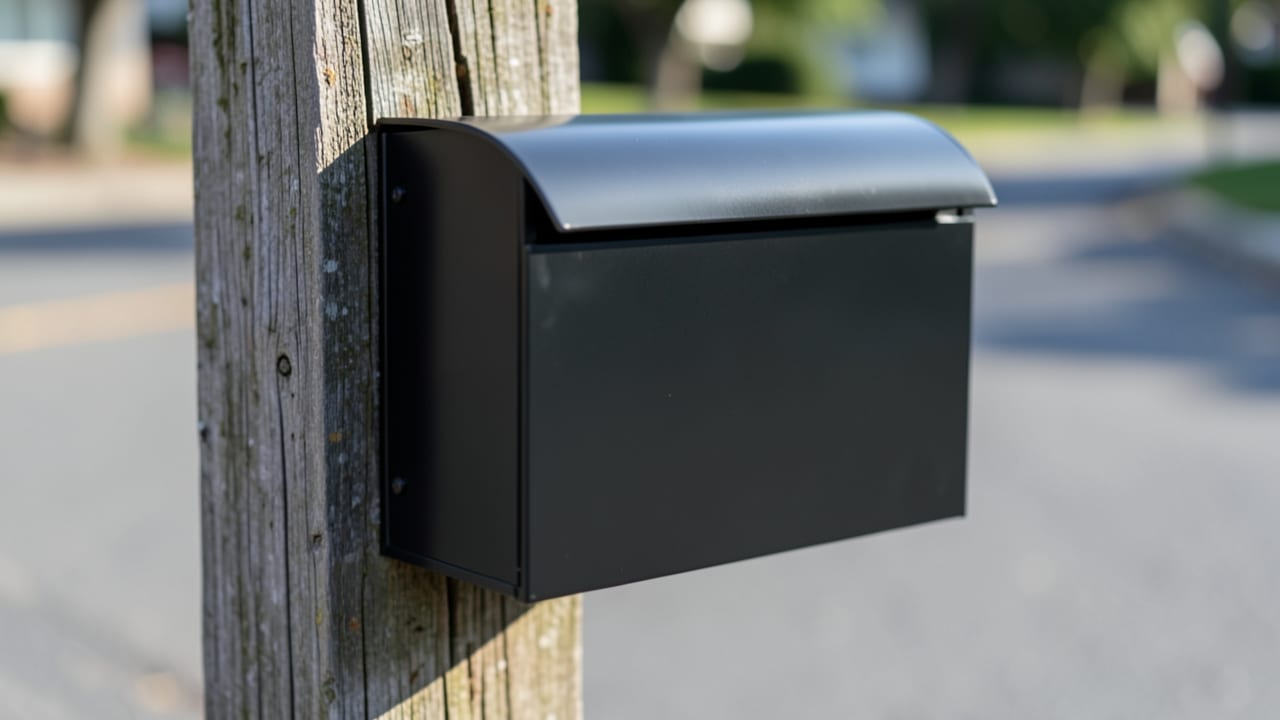
Mailbox Cleaning in Orange Park, FL
Pressure washing to remove dirt, grime, and stains from mailboxes.
Learn More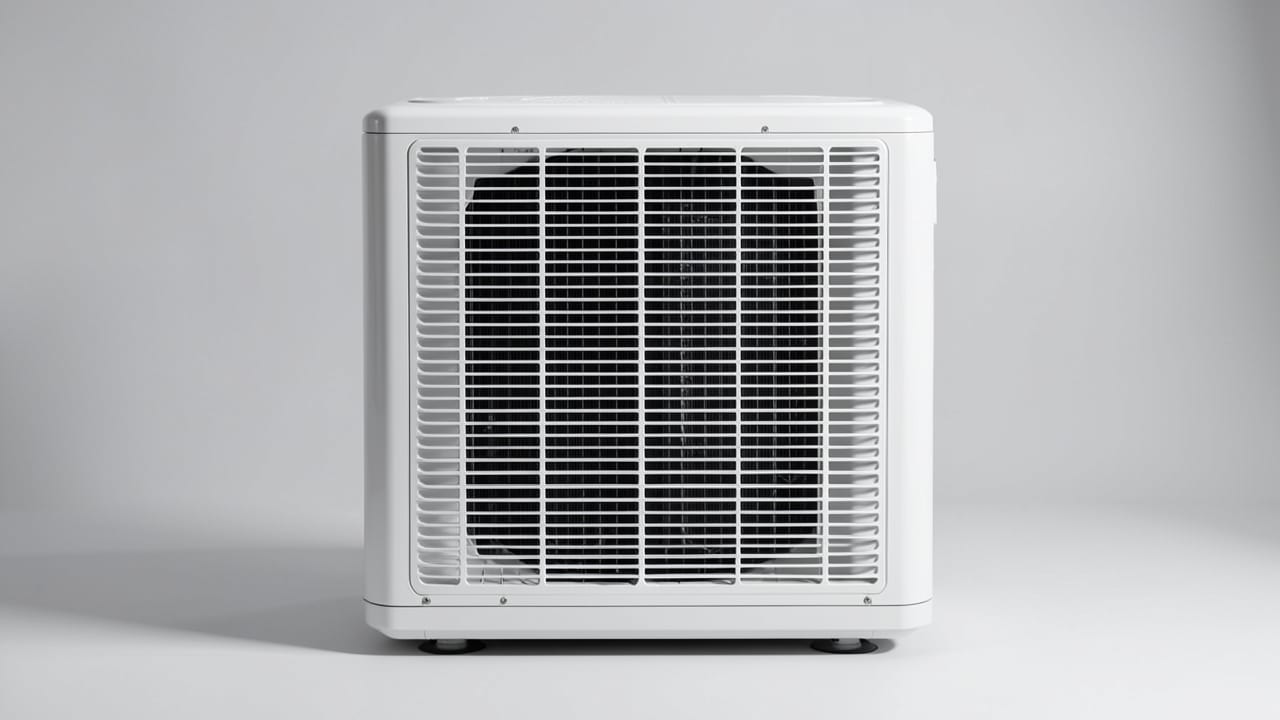
AC Unit Exterior Cleaning in Orange Park, FL
Pressure washing to remove dirt, debris, and grime from outdoor AC unit coils and housing.
Learn More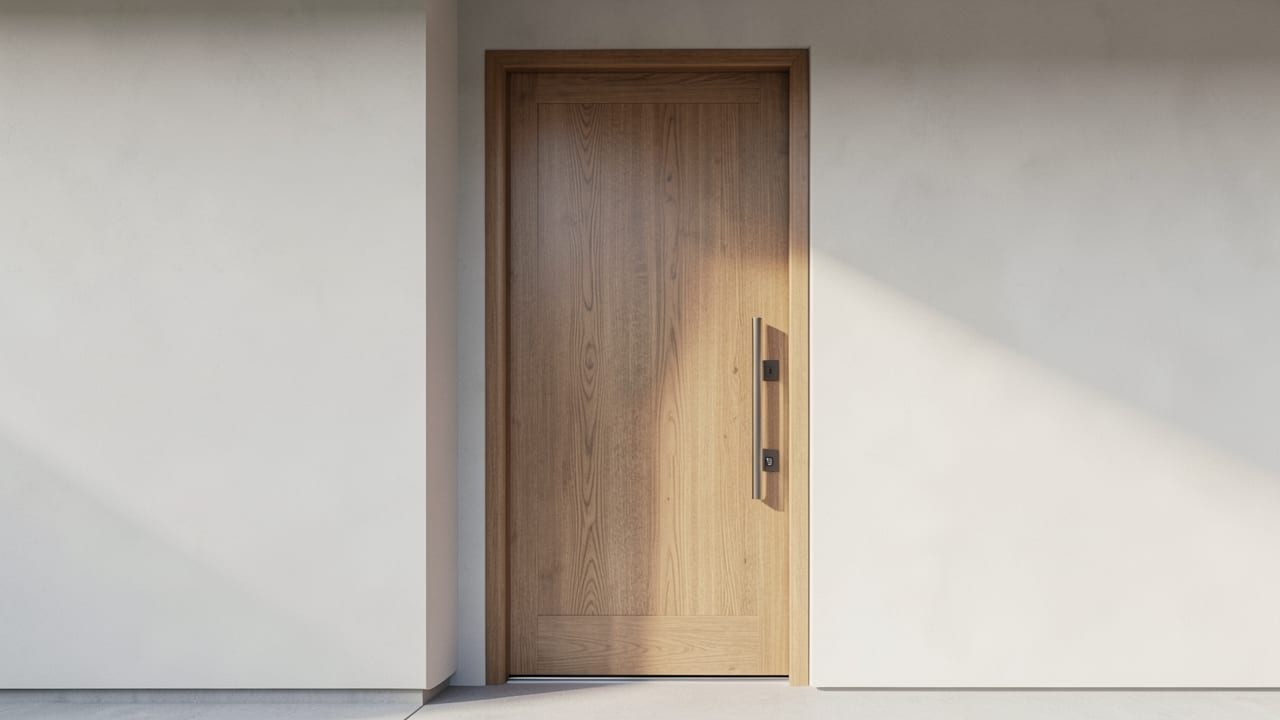
Exterior Door Cleaning in Orange Park, FL
High-pressure cleaning to remove dirt, grime, and stains from exterior doors.
Learn More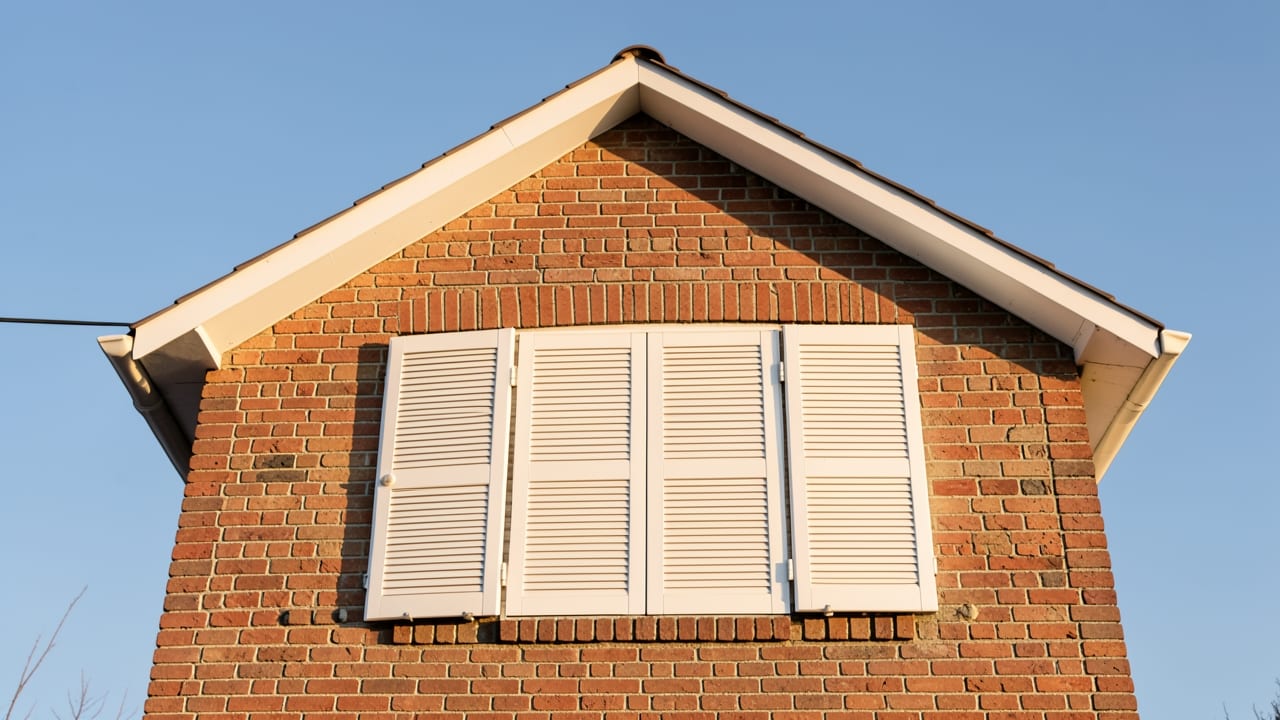
Shutter Cleaning in Orange Park, FL
Professional pressure washing to remove dirt, grime, and debris from exterior shutters.
Learn More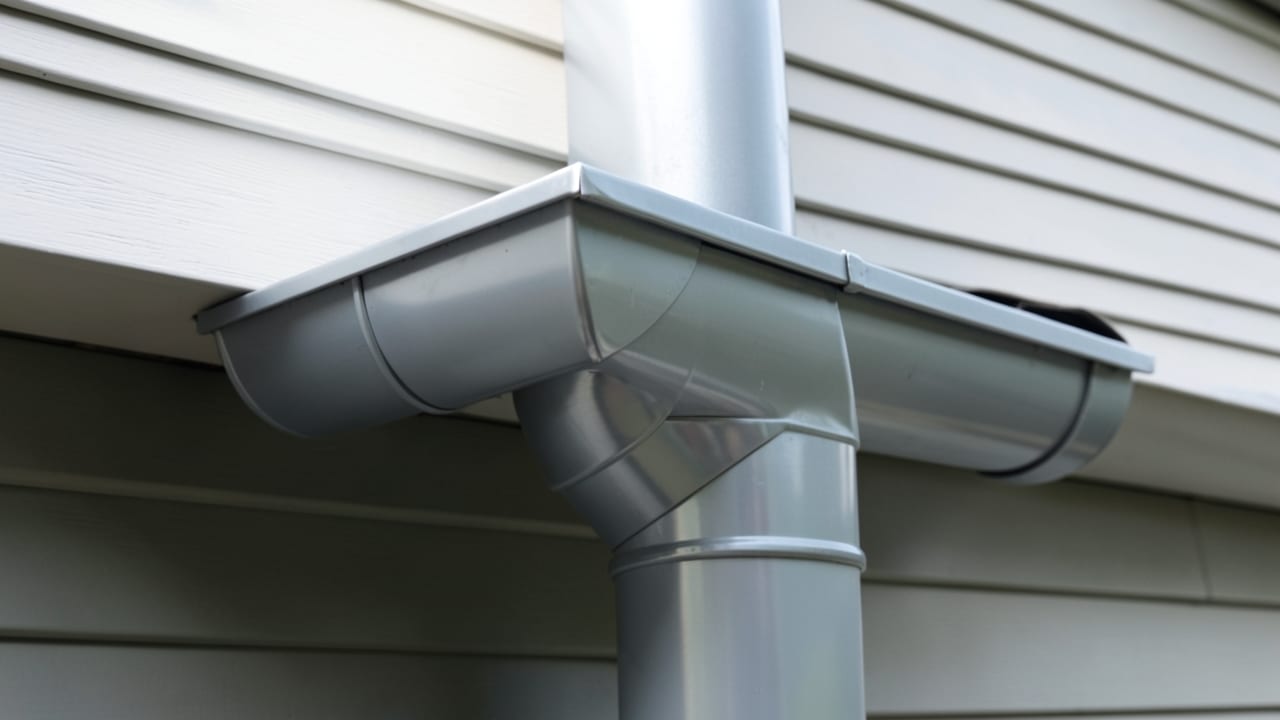
Downspout Cleaning in Orange Park, FL
Clearing clogged downspouts to ensure proper drainage and prevent water damage.
Learn More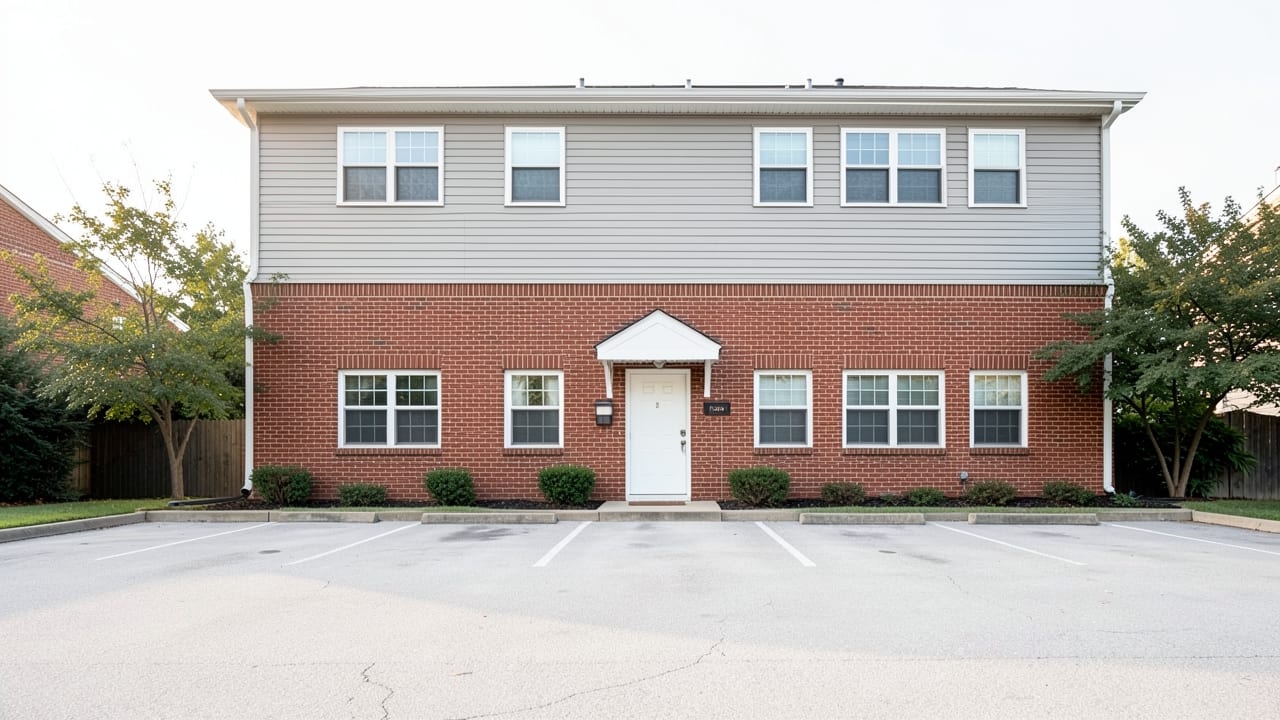
Apartment Complex Washing in Orange Park, FL
High-pressure cleaning of apartment building exteriors, walkways, and common areas to remove dirt and grime.
Learn MoreCommon Questions About Pressure Washing in Orange Park
Everything you need to know about pressure washing services in Orange Park
How much does Boat Dock Cleaning typically cost in Orange Park, FL?
Why does algae and mildew growth on homes in Orange Park, FL come back so quickly?
Can pressure washing damage concrete, pavers, or mortar joints?
What are the actual named steps in a professional pressure washing job?
Can the wrong PSI actually damage a house or driveway?
What's the actual difference between pressure washing and soft washing?
Need Pressure Washing in Orange Park?
Get a written quote from our Orange Park crew.
⏰ We answer your call • Serving all of Orange Park and surrounding areas