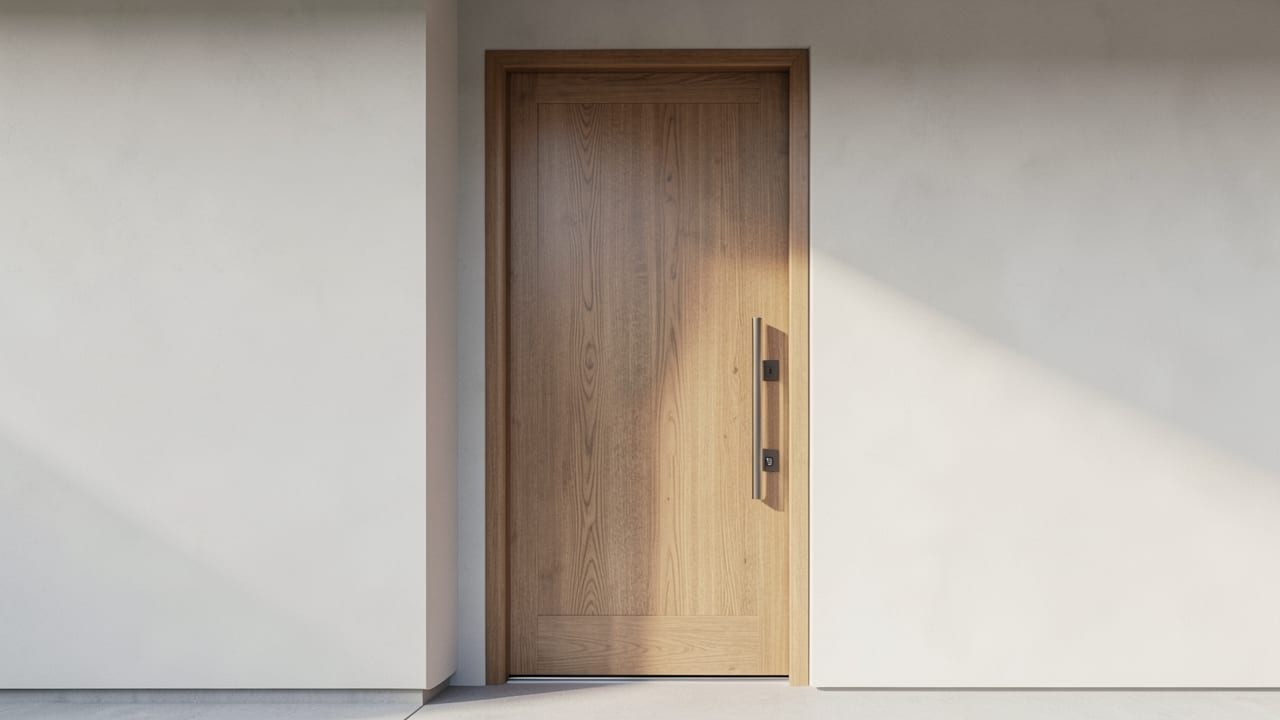
Exterior Door Cleaning
High-pressure cleaning to remove dirt, grime, and stains from exterior doors.
Exterior door cleaning in Orange Park, FL, uses pressure washing to restore your home’s entryway by removing built-up dirt, pollen, and mildew. This service targets wood, fiberglass, or metal doors, preventing long-term damage while protecting landscaping and nearby surfaces.
Specialized techniques ensure a thorough clean without causing harm to the door or surrounding areas.
We also handle Warehouse Cleaning and Playground Equipment Cleaning for Orange Park properties.
Why exterior doors need cleaning
Over time, exterior doors accumulate grime, algae, and mildew, especially in Florida’s humid climate. These buildups not only dull the door’s appearance but can also lead to wood rot, paint peeling, or hardware corrosion if left untreated.
Doors facing shaded or damp areas—like those near trees or gutters—are particularly vulnerable to algae growth, which spreads steadily if ignored.
Unlike general dirt, algae and mildew leave behind a chalky residue that’s often easier to feel than see. Running your hand across the door’s surface and finding a fine powder is a clear sign it’s time for a deep clean.
Cobwebs, insect debris, and streaking around door frames or under eaves are also early warning signs that the door—and likely the surrounding siding—could benefit from professional attention.
Signs Your Exterior Door Needs Cleaning
- Green or black streaks on the door, especially on shaded sides (algae or mildew).
- A chalky residue when running your hand over the surface (oxidation or grime buildup).
- Visible dirt or cobwebs collecting in corners, under eaves, or around light fixtures.
- Peeling paint, swelling wood, or stiff door hinges (indicating moisture damage).
- Water stains or discoloration near the door frame or threshold.
How cleaning protects your door and home
Pressure washing for exterior doors uses low-to-moderate pressure (typically under 2,000 PSI) paired with a biodegradable detergent to break down grime without damaging the door’s material. The process starts with a pre-treatment of cleaning solution, which is left to dwell and chemically lift algae and mildew before being rinsed away.
This method prevents water from being forced behind door panels or into seams, which can lead to hidden mold or rot.
Landscaping and nearby surfaces are protected by wetting down plants and covering them with tarps, while outlets and fixtures are bagged to avoid overspray damage. The rinse is done at a consistent, slow speed to avoid streaking—uneven passes can leave a zebra-stripe pattern on lighter-colored doors.
After cleaning, a final inspection checks for missed spots or damage, ensuring the door is restored without compromising its integrity.
What affects pricing and timing
The size, material, and condition of your door—along with any surrounding features like transoms or decorative trim—directly impact the cost and time needed. Wood doors with intricate details or metal doors with rust require more time and targeted cleaning than smooth fiberglass.
Doors in shaded areas or near vegetation may need additional passes to remove stubborn algae, extending the job slightly.
Scheduling is flexible but often tied to weather, as humidity and temperature affect how quickly cleaning solutions dry. Early morning or late afternoon appointments help prevent rapid drying, which can leave detergent residue.
If your door shows signs of pre-existing damage (like cracked paint or loose hardware), the technician may pause to note these for further inspection or repair.
| Factor | Impact on Pricing/Timing |
|---|---|
| Door Material | Wood or metal doors take longer than fiberglass due to delicate surfaces. |
| Door Size | Larger or multi-panel doors require more solution and time. |
| Algae/Mildew Severity | Heavy buildup adds 15–30 minutes for spot treatment. |
| Weather Conditions | Humidity over 70% may delay drying, extending the job. |
| Accessibility | Stairs, narrow entryways, or overhangs add labor time. |
How exterior door cleaning works
A professional exterior door cleaning follows a precise, protective process to restore your door without damage.
- 1Pre-Treatment
A biodegradable detergent formulated for the door’s material (wood, metal, or fiberglass) is sprayed at low pressure and left to dwell for 5–10 minutes. This breaks down algae, mildew, and grime chemically, reducing the need for high-pressure blasting.
- 2Protection Setup
Nearby landscaping is wetted down and covered with tarps, while outlets, light fixtures, and hinges are bagged to prevent overspray. This step ensures no damage occurs to plants, paint, or electrical components during the wash.
- 3Controlled Pressure Rinse
The door is rinsed using a wide-fan nozzle at under 2,000 PSI, working top to bottom in overlapping passes. The wand moves at a consistent speed to avoid streaking, with heavier stains receiving a second, concentrated pass instead of increased pressure.
- 4Final Inspection
A clear-water rinse removes all detergent residue, followed by a walkthrough in daylight to check for missed spots or damage. Any pre-existing issues—like loose hardware or peeling paint—are documented for your review.
Frequently asked questions
Will pressure washing damage my door’s finish or paint?
No, when done correctly. Technicians use low-to-moderate pressure (under 2,000 PSI) and detergents designed for your door’s material. Wood doors may require extra care to avoid swelling, while metal doors avoid rust triggers. Always ask for a pre-job assessment to confirm the method suits your door’s condition.
How long does it take for algae to grow back after cleaning?
In Orange Park’s climate, algae can reappear in as little as 3–6 months if the door stays shaded or damp. Trimming nearby vegetation and ensuring gutters aren’t overflowing near the door slows regrowth. A yearly cleaning or spot treatments with vinegar-based solutions can extend the time between professional cleanings.
Can I clean my door myself, or should I hire a professional?
DIY cleaning with a garden hose and mild soap can help with light dirt, but algae and mildew often require pressure washing. Professionals use equipment calibrated to avoid damage, and they protect landscaping and fixtures—mistakes with pressure or chemicals can void warranties or cause hidden issues like water intrusion.
What should I do if my door looks streaky after cleaning?
Streaking usually means the rinse passes were uneven or the detergent didn’t dwell long enough. If it happens, contact the technician immediately—they can often fix it with a second rinse. Avoid scrubbing yourself, as this can worsen the pattern or damage the door’s surface.
Where Orange Park sits, and what the Census lists nearby
Orange Park sits in Florida, and the closest places listed in the U.S. Census Gazetteer are Bellair-Meadowbrook Terrace (1.9 miles west), Lakeside (4.5 miles southwest), Fleming Island (5 miles south), Fruit Cove (7.2 miles southeast).
Within 25 miles of Orange Park the same source lists 20 distinct incorporated places and census-designated places.
Those figures matter for exterior door cleaning because they are straight-line distances between Census coordinate points: road mileage between Orange Park and Bellair-Meadowbrook Terrace runs longer than the 1.9 miles shown, which is why quotes for the same job differ between towns that look close together on a map.
Source: U.S. Census Bureau Gazetteer.
See Bellair, FL for more, or explore how our Orange Park crew can help by service type for our complete lineup.
Ready to get started?
Talk to a local pressure washing pro in Orange Park — get a written quote.
Other Pressure Washing Services in Orange Park
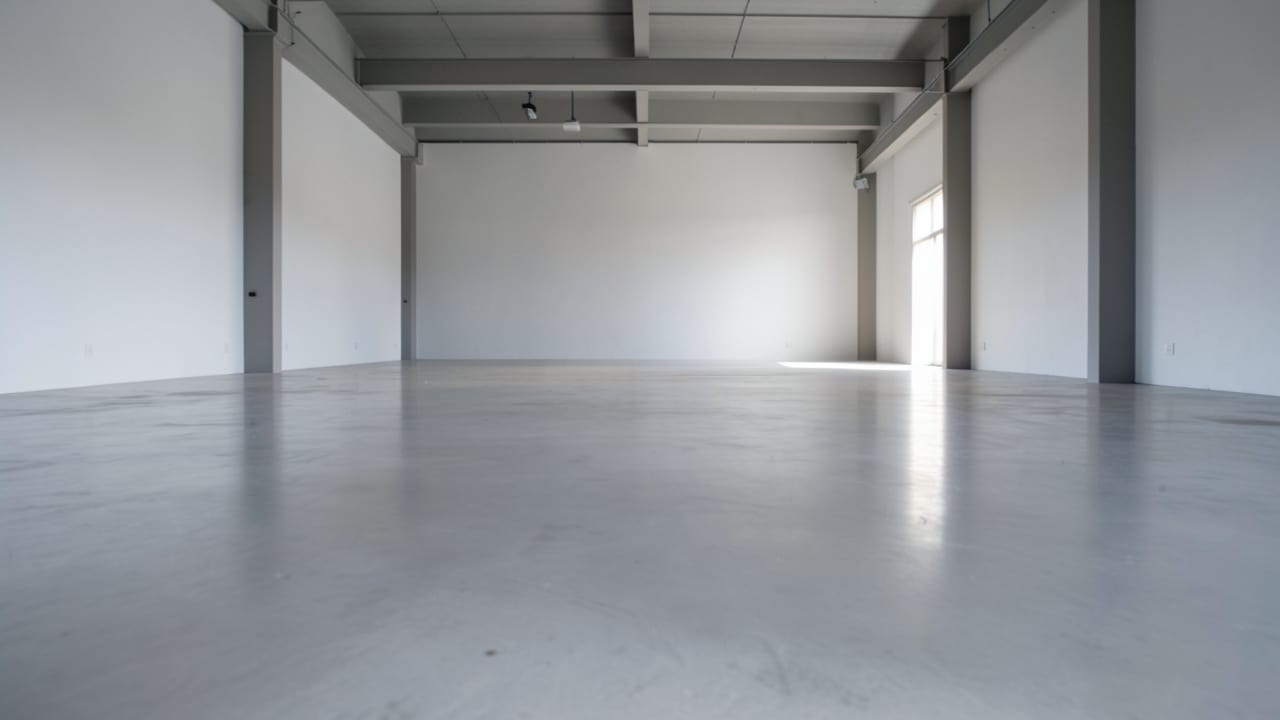
Warehouse Cleaning in Orange Park, FL
High-pressure cleaning of warehouse interiors and exteriors to remove dirt, grime, and debris.
Learn More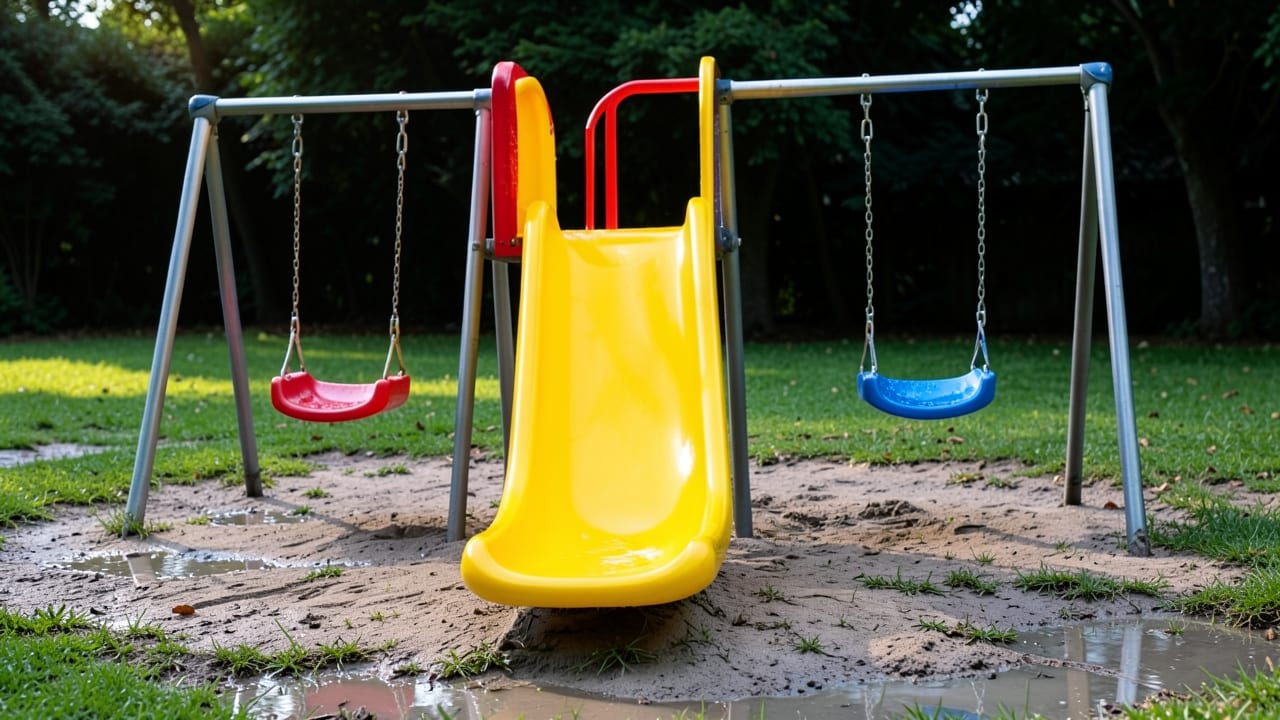
Playground Equipment Cleaning in Orange Park, FL
Pressure washing to remove dirt, grime, and mold from playground equipment for safety and hygiene.
Learn More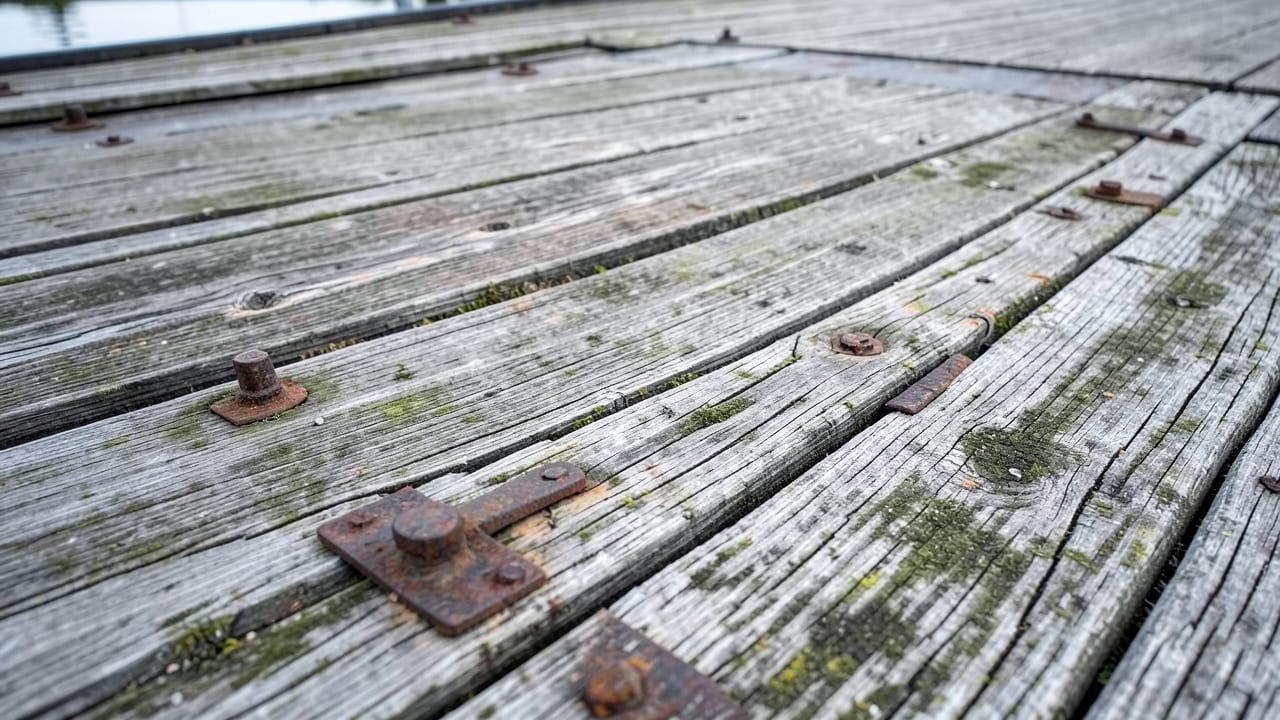
Boat Dock Cleaning in Orange Park, FL
Pressure washing to remove algae, grime, and debris from boat docks and surrounding areas.
Learn More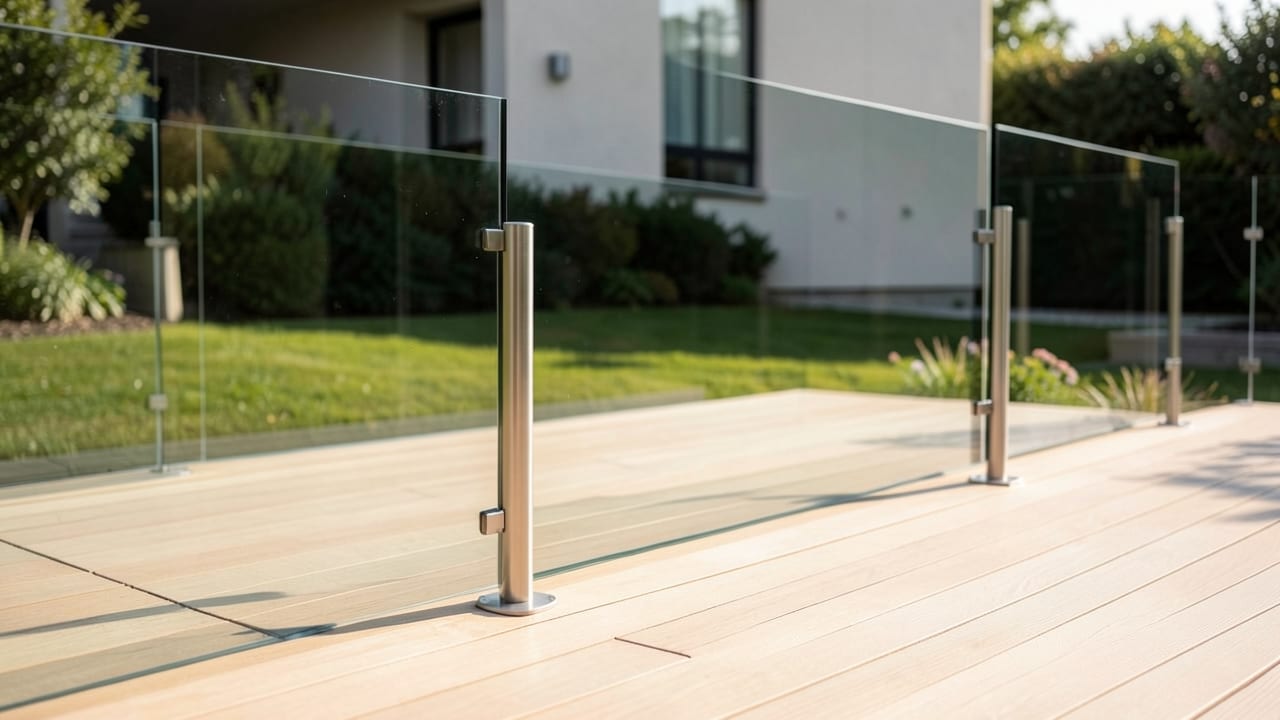
Glass Railing Cleaning in Orange Park, FL
High-pressure cleaning to remove dirt, grime, and water spots from glass railings.
Learn More
Vinyl Fence Cleaning in Orange Park, FL
High-pressure cleaning to remove dirt, mold, and grime from vinyl fences, restoring their appearance.
Learn More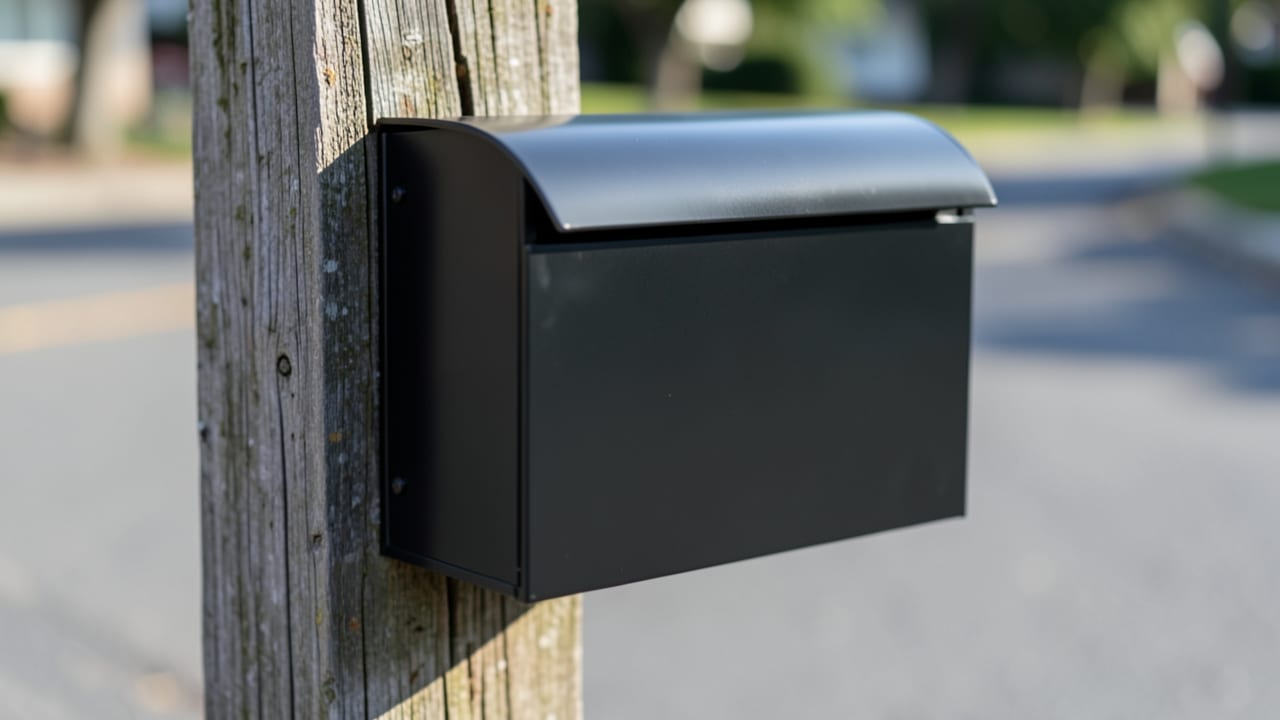
Mailbox Cleaning in Orange Park, FL
Pressure washing to remove dirt, grime, and stains from mailboxes.
Learn MoreCommon Questions About Pressure Washing in Orange Park
Everything you need to know about pressure washing services in Orange Park
How much does Exterior Door Cleaning typically cost in Orange Park, FL?
Why does algae and mildew growth on homes in Orange Park, FL come back so quickly?
Can pressure washing damage concrete, pavers, or mortar joints?
What are the actual named steps in a professional pressure washing job?
Can the wrong PSI actually damage a house or driveway?
What's the actual difference between pressure washing and soft washing?
Need Pressure Washing in Orange Park?
Get a written quote from our Orange Park crew.
⏰ We answer your call • Serving all of Orange Park and surrounding areas