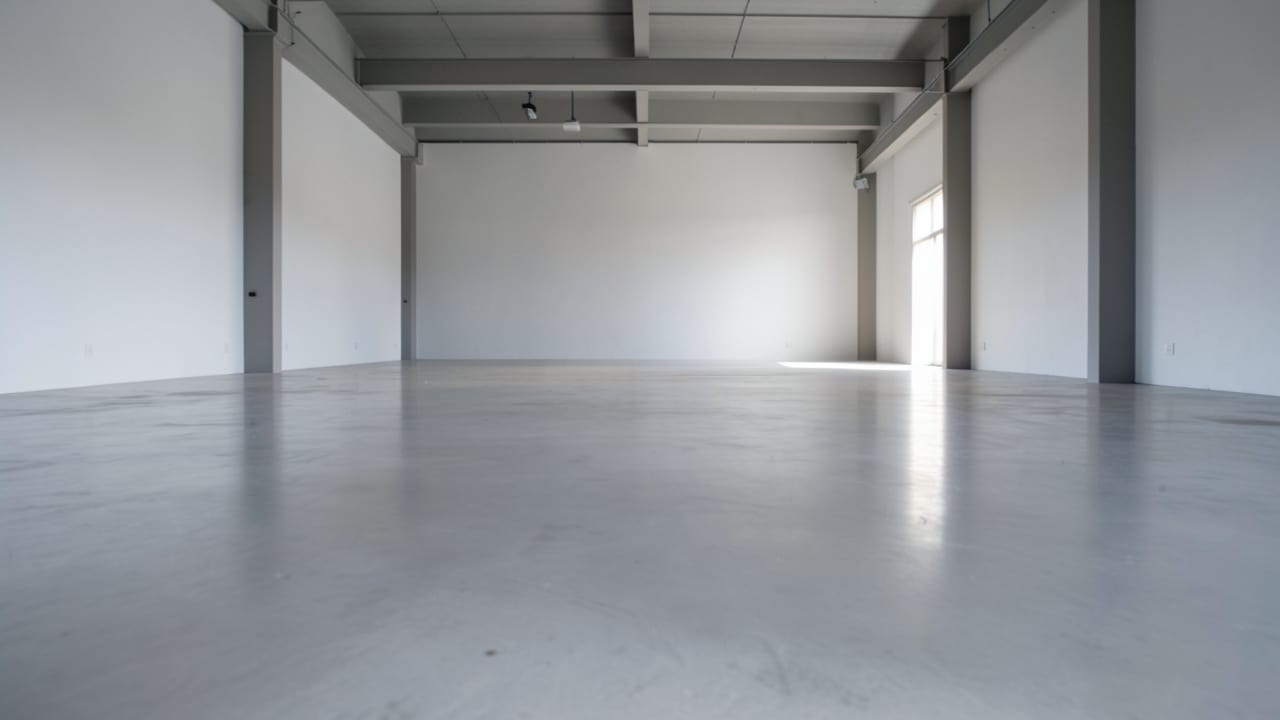
Warehouse Cleaning
High-pressure cleaning of warehouse interiors and exteriors to remove dirt, grime, and debris.
Pressure washing for warehouse cleaning in Orange Park, FL, restores industrial and storage spaces by removing deep-seated dirt, oil, and grime from floors, walls, and loading docks.
This process enhances safety, improves aesthetics, and extends the life of surfaces, making it ideal for maintaining clean, professional environments in and around your property.
We also handle Graffiti Removal and Solar Panel Cleaning for Orange Park properties.
When to consider warehouse cleaning
Warehouse cleaning is essential when surfaces show persistent dirt buildup, oil stains, or grime that regular sweeping or mopping can’t remove. Over time, these contaminants accumulate on concrete floors, metal walls, and loading docks, creating slip hazards and an unprofessional appearance.
If you notice a dull, stained look on these surfaces, it’s time for a deep clean.
In Orange Park’s humid climate, moisture can accelerate the growth of mold and mildew in storage areas, especially near loading docks or in poorly ventilated spaces. A thorough pressure washing not only removes visible dirt but also eliminates hidden contaminants, reducing long-term damage and improving air quality.
Signs Your Space Needs Warehouse Cleaning
- Floors appear dull or discolored, even after regular cleaning.
- Oil stains or grease marks are visible on walls or equipment.
- Dirt and debris accumulate in corners, under shelves, or near loading docks.
- Moisture or humidity has led to mold or mildew growth in storage areas.
- The space looks unprofessional, deterring clients or employees.
How cleaning affects your property
Pressure washing warehouse surfaces restores their original appearance and functionality. It removes embedded dirt that can degrade materials over time, such as concrete floors or metal storage racks. This process also reduces the risk of slips and falls, creating a safer workspace for anyone using the area.
Beyond aesthetics and safety, a clean warehouse extends the lifespan of your surfaces. Oil and grime left untreated can corrode metal, weaken concrete, and create breeding grounds for pests. Regular pressure washing prevents these issues, saving you money on costly repairs or replacements down the line.
| Surface Type | Common Contaminants | Why It Matters |
|---|---|---|
| Concrete Floors | Oil, grease, chemical spills, dust | Prevents erosion and slip hazards; maintains a professional look. |
| Metal Walls | Rust, dirt, industrial grime | Slows corrosion and extends structural integrity. |
| Loading Docks | Debris, mud, tire marks | Ensures safe vehicle and equipment movement. |
| Storage Shelves | Dust, cobwebs, chemical residue | Reduces pest attraction and improves inventory visibility. |
What to expect during the process
Before any pressure washing begins, protective measures are taken to safeguard nearby surfaces and landscaping. This includes covering plants, bagging outlets, and wetting down landscaping to prevent damage from overspray or chemical runoff. These steps ensure the cleaning process is safe and effective without harming your property.
The actual cleaning involves a combination of low-pressure detergent application and high-pressure rinsing. Detergents are tailored to break down specific contaminants, such as oil or grime, before being rinsed away with controlled pressure. This method ensures deep cleaning without damaging surfaces.
Always clear the workspace of unnecessary items and notify anyone using the area before cleaning begins. This ensures safety and allows the cleaning team to work efficiently without interruptions.
How warehouse cleaning works
A thorough warehouse cleaning involves careful preparation and targeted pressure washing techniques.
- 1Surface Protection
Landscaping near the workspace is wetted down and covered, and any exterior fixtures are bagged to prevent damage from overspray or chemical runoff.
- 2Detergent Application
A specialized cleaning solution is applied at low pressure to break down dirt, oil, and grime chemically, allowing it to dwell and penetrate deeply.
- 3Controlled Pressure Rinsing
The detergent is rinsed away using low to moderate pressure (typically under 2,000 psi) with a wide-fan tip, working systematically to avoid streaking or uneven cleaning.
- 4Spot Treatment
Areas with heavy contamination receive a second, more concentrated pass to ensure complete removal without risking surface damage from excessive pressure.
- 5Final Inspection
The cleaned surfaces are inspected for missed spots or damage, and a clear-water rinse removes any residual detergent.
Frequently asked questions
How often should warehouse surfaces be pressure washed?
The frequency depends on usage and environmental factors. High-traffic areas or spaces exposed to oil, chemicals, or heavy moisture may need cleaning every 3–6 months, while lighter-use areas might require it annually.
Can pressure washing damage the floors or walls?
When done correctly, pressure washing restores surfaces without damage. However, improper technique—like using excessive pressure—can harm delicate materials. Always use a professional with experience in warehouse cleaning.
Will the cleaning process affect nearby landscaping or pets?
Proper preparation, including covering plants and protecting fixtures, minimizes risks. However, pets should be kept indoors during the process to avoid exposure to cleaning solutions.
What’s the difference between pressure washing and soft washing for warehouse cleaning?
Pressure washing uses high pressure to blast away contaminants, while soft washing relies on low-pressure detergent application for deeper cleaning without risking surface damage. The method depends on the material and contamination level.
Where Orange Park sits, and what the Census lists nearby
Orange Park sits in Florida, and the closest places listed in the U.S. Census Gazetteer are Bellair-Meadowbrook Terrace (1.9 miles west), Lakeside (4.5 miles southwest), Fleming Island (5 miles south), Fruit Cove (7.2 miles southeast).
Within 25 miles of Orange Park the same source lists 20 distinct incorporated places and census-designated places.
Those figures matter for warehouse cleaning because they are straight-line distances between Census coordinate points: road mileage between Orange Park and Bellair-Meadowbrook Terrace runs longer than the 1.9 miles shown, which is why quotes for the same job differ between towns that look close together on a map.
Source: U.S. Census Bureau Gazetteer.
See Hibernia, FL for more, or find out about what's included in our Orange Park service from start to finish for our complete lineup.
Ready to get started?
Talk to a local pressure washing pro in Orange Park — get a written quote.
Other Pressure Washing Services in Orange Park

Graffiti Removal in Orange Park, FL
Graffiti removal from exterior walls and surfaces in Orange Park, FL.
Learn More
Solar Panel Cleaning in Orange Park, FL
Solar panel cleaning in Orange Park, FL — low-pressure, purified-water rinse that restores panel output without scratching the glass.
Learn More
Fleet Washing in Orange Park, FL
Mobile fleet washing for commercial vehicles in Orange Park, FL — on-site cleaning for work trucks and vans.
Learn More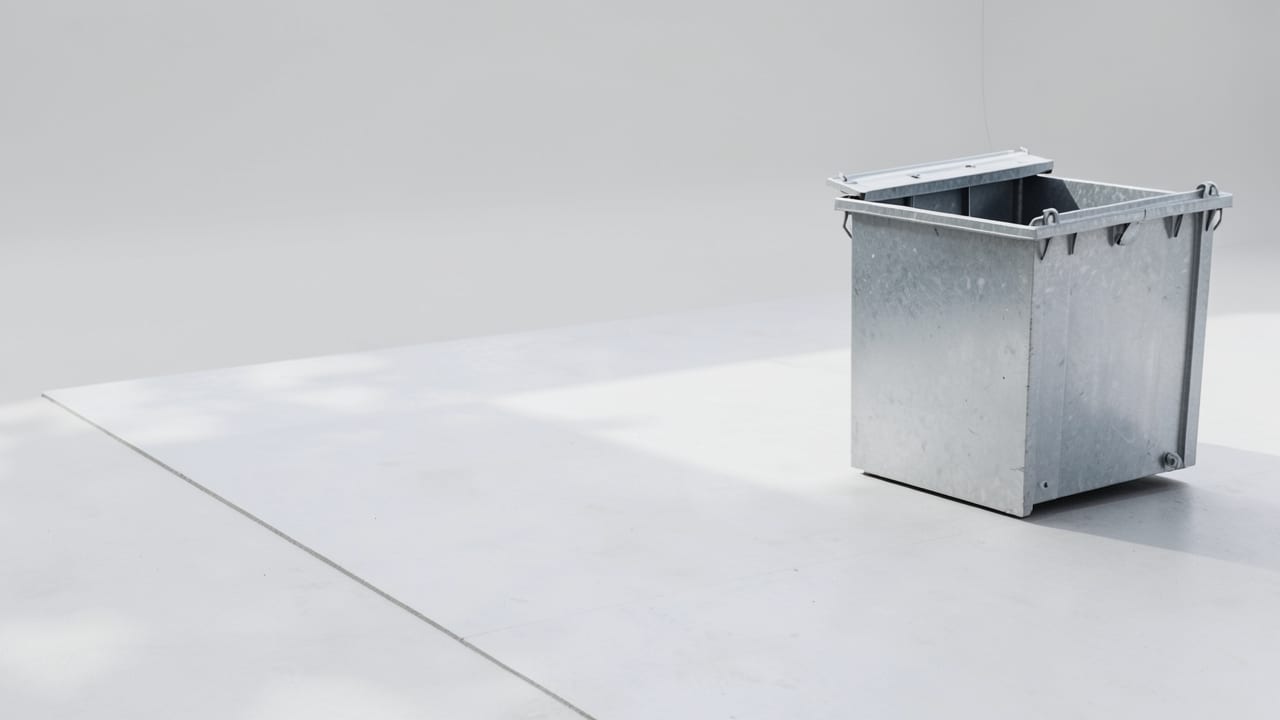
Dumpster Pad Cleaning in Orange Park, FL
Commercial dumpster pad cleaning in Orange Park, FL — hot-water sanitizing for grease, odor, and staining.
Learn More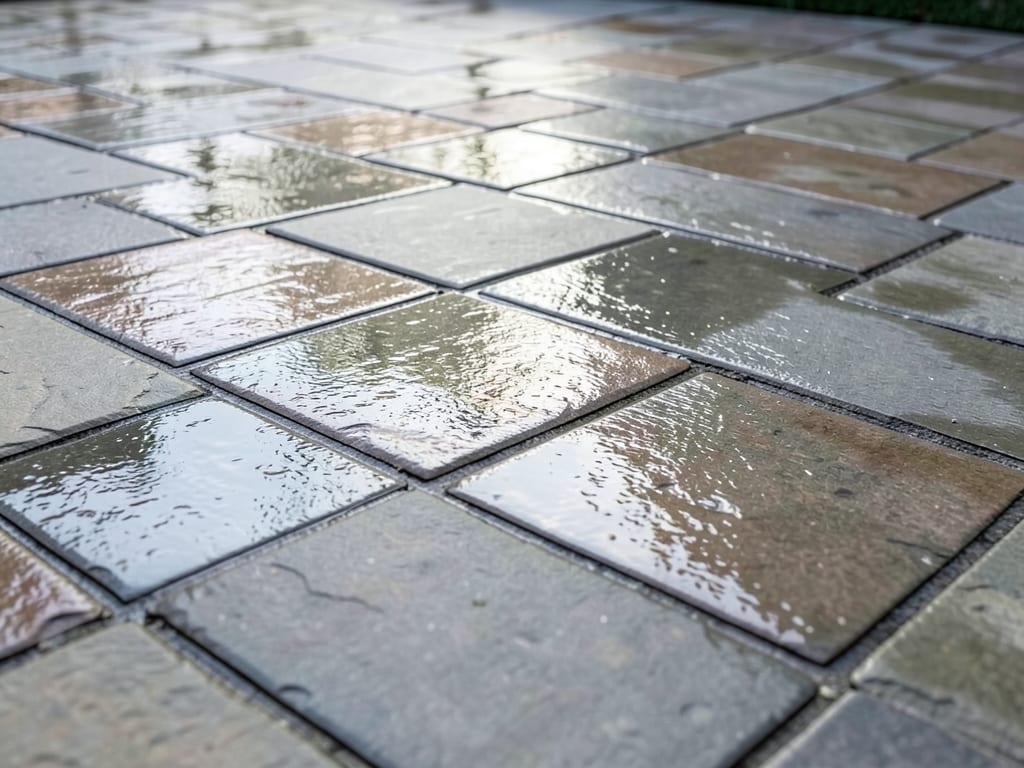
Paver Sealing in Orange Park, FL
Paver sealing in Orange Park, FL — a protective, wet-look finish applied after cleaning to lock in color and block stains.
Learn More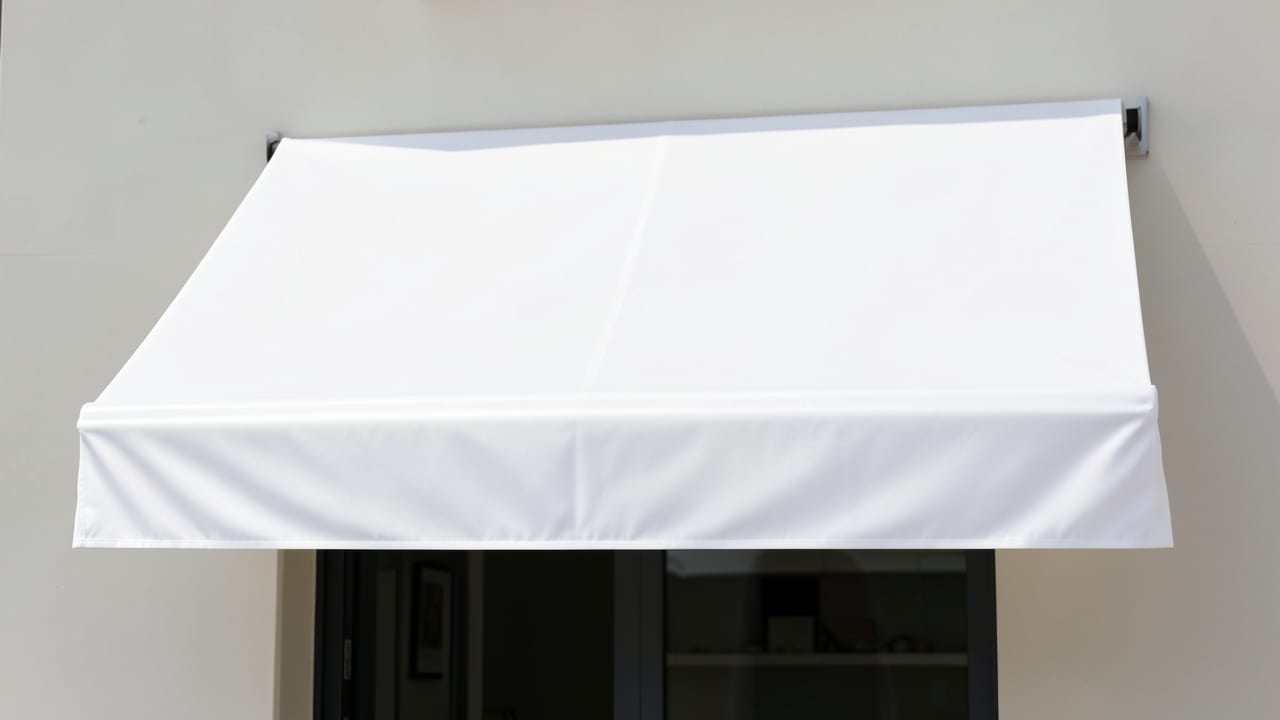
Awning & Canopy Cleaning in Orange Park, FL
Awning and canopy cleaning in Orange Park, FL — fabric-safe, low-pressure cleaning for storefront and residential awnings.
Learn MoreCommon Questions About Pressure Washing in Orange Park
Everything you need to know about pressure washing services in Orange Park
How much does Warehouse Cleaning typically cost in Orange Park, FL?
Why does algae and mildew growth on homes in Orange Park, FL come back so quickly?
What are the actual named steps in a professional pressure washing job?
Can the wrong PSI actually damage a house or driveway?
What's the actual difference between pressure washing and soft washing?
How often should a home's exterior actually be washed?
Need Pressure Washing in Orange Park?
Get a written quote from our Orange Park crew.
⏰ We answer your call • Serving all of Orange Park and surrounding areas