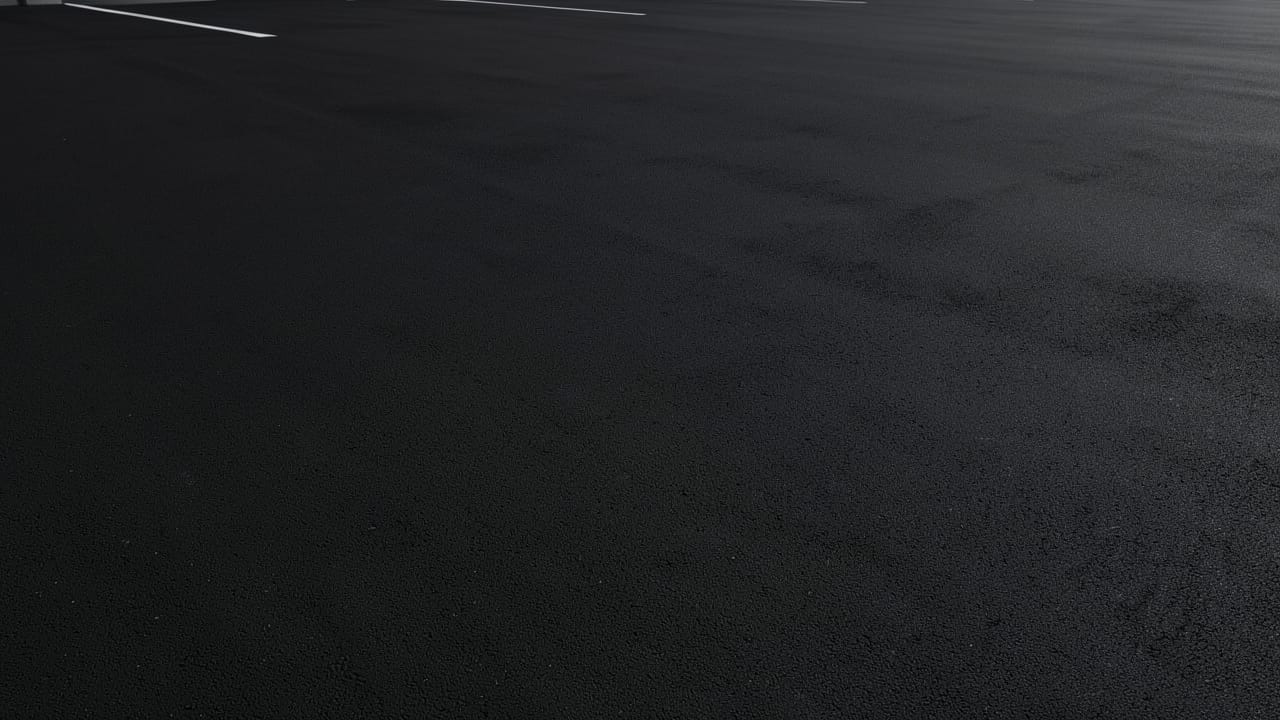
Parking Lot Cleaning
High-pressure washing to remove dirt, oil, and debris from parking lot surfaces.
Parking lot cleaning in Orange Park, FL, uses pressure washing to remove deep-seated stains, oil, and grime from concrete or asphalt surfaces, restoring their appearance and preventing long-term damage.
Unlike regular sweeping, this service targets stubborn marks—like oil spots, tire stains, and algae—that water alone can’t lift, using targeted detergents and equipment to clean edges, joints, and large areas safely without damaging the surface.
We also handle Solar Panel Cleaning and Fleet Washing for Orange Park properties.
When your driveway or parking area needs professional cleaning
Not all dirt is created equal. Dark, stubborn stains from oil, rust, or tires—especially those that spread over time—won’t fade with rain or a hose. A slick surface when wet often means algae or mildew has taken hold, while a greenish tinge in shaded corners signals moss growth.
Even a white, powdery haze (efflorescence) requires a different treatment than ordinary grime.
Pressure washing alone can worsen oil stains by pushing them deeper into the concrete, creating larger, faded halos. A professional service identifies the root cause—whether it’s organic buildup, mineral deposits, or embedded contaminants—and uses the right detergents and techniques to lift stains without damaging the surface.
Signs Your Driveway Needs Pressure Washing
- Stains that don’t fade after rain or repeated hosing, especially dark spots that spread at the edges.
- A noticeably slick surface when wet, beyond what normal damp concrete feels like (indicates algae or mildew).
- Green or black discoloration in shaded corners or low spots where water pools after rain.
- A white, powdery residue (efflorescence) that looks like dust but won’t wash away easily.
- Visible etching or swirl marks from past cleaning attempts, showing the surface was damaged by improper pressure.
How pressure washing differs by surface type
Plain broom-finish concrete can handle higher pressure settings without damage, but stamped, colored, or sealed concrete requires a gentler approach. Applying the wrong pressure to sealed surfaces can strip the finish, leaving a blotchy or dull appearance.
Always check with a professional before starting—what works for one type of concrete can ruin another.
Even within the same driveway, edges, joints, and corners need special care. These areas are prone to etching if a wand is held too close, and they often collect debris that larger cleaning equipment misses.
A thorough job includes a low-pressure finish pass for these details to ensure an even, streak-free result.
| Surface Type | Pressure Risk | Safe Cleaning Method |
|---|---|---|
| Plain broom-finish concrete | Tolerates higher PSI (2,500–4,000) without damage | Overlapping passes with surface cleaner attachment at consistent distance |
| Sealed or stamped concrete | Can discolor or lose finish at standard PSI | Lower pressure (1,500–2,500) with specialized detergent, no direct wand contact |
| Asphalt | Can crack or peel if pressure is too high | Low PSI (1,200–2,000) with wide-angle nozzle, no detergent dwell time |
| Edges/joints/corners | Etching from close wand use | Handheld finish pass at reduced pressure (1,000–1,500 PSI), no sweeping motion |
What affects pricing and timing for driveway cleaning
Unlike commercial jobs, residential driveway cleaning in Orange Park is priced per project, not by the hour or square foot. The biggest factors are the surface material (concrete vs. asphalt), the severity of stains (oil vs. algae vs. efflorescence), and whether sealing is added afterward.
A driveway with heavy oil stains or a large, sloped asphalt area will cost more than a small, lightly stained concrete slab.
Scheduling also matters. If your driveway is the only access point to your home, cleaning may need to happen during off-peak hours to avoid blocking vehicles. Additionally, some detergents require dwell time—meaning the cleaning process can’t be rushed—and runoff containment adds time for larger areas.
How parking lot cleaning works
A professional service follows a step-by-step process to clean driveways and parking areas safely and effectively.
- 1Surface Inspection
The technician checks for sealed, stamped, or decorative concrete—these require lower pressure to avoid damaging the finish. Plain concrete can handle higher PSI, but edges and joints need special care to prevent etching.
- 2Detergent Application
A degreasing or stain-lifting solution is sprayed onto oil spots, tire marks, and organic stains. This step is critical: pressure washing alone spreads oil stains outward, making them harder to remove.
- 3Pressure Cleaning Passes
The surface is cleaned in overlapping passes using a surface cleaner attachment held at a consistent distance and angle. This ensures even coverage without the ringed or striped patterns a handheld wand creates.
- 4Edge and Detail Finishing
Expansion joints, corners, and areas the surface cleaner can’t reach are finished with a handheld wand at reduced pressure (1,000–1,500 PSI) to avoid etching.
- 5Rinse and Containment
The area is rinsed with clear water, and runoff—containing detergent and lifted contaminants—is directed away from storm drains and planting beds to prevent environmental harm.
Frequently asked questions
Will pressure washing damage my sealed or stamped concrete driveway?
Yes, if done incorrectly. Sealed or stamped concrete requires lower pressure (1,500–2,500 PSI) and specialized detergents to avoid stripping the finish or causing discoloration. Always confirm the technician will adjust settings for your surface type.
How do I know if my driveway has algae or just dirt?
Algae creates a slippery, almost slimy feel when wet—more than what damp concrete normally has—and often appears as a green or black tinge in shaded, low-lying areas. Dirt or dust washes off easily, while algae requires a detergent treatment to lift.
Can pressure washing remove oil stains, or will they just spread?
Pressure washing alone *will* spread oil stains by pushing them deeper into the concrete. A professional service uses a degreasing detergent applied before rinsing to lift the stain out of the pores, preventing the ‘halo’ effect.
How long does the cleaning process take for a typical residential driveway?
For a standard single-car driveway (about 400–600 sq. ft.), the process takes 1–2 hours, including detergent dwell time, pressure cleaning, and rinsing. Larger areas or heavy staining may require additional time.
Where Orange Park sits, and what the Census lists nearby
Orange Park sits in Florida, and the closest places listed in the U.S. Census Gazetteer are Bellair-Meadowbrook Terrace (1.9 miles west), Lakeside (4.5 miles southwest), Fleming Island (5 miles south), Fruit Cove (7.2 miles southeast).
Within 25 miles of Orange Park the same source lists 20 distinct incorporated places and census-designated places.
Those figures matter for parking lot cleaning because they are straight-line distances between Census coordinate points: road mileage between Orange Park and Bellair-Meadowbrook Terrace runs longer than the 1.9 miles shown, which is why quotes for the same job differ between towns that look close together on a map.
Source: U.S. Census Bureau Gazetteer.
See Yukon, FL for more, or see our full crew's Orange Park services by neighborhood for our complete lineup.
Ready to get started?
Talk to a local pressure washing pro in Orange Park — get a written quote.
Other Pressure Washing Services in Orange Park
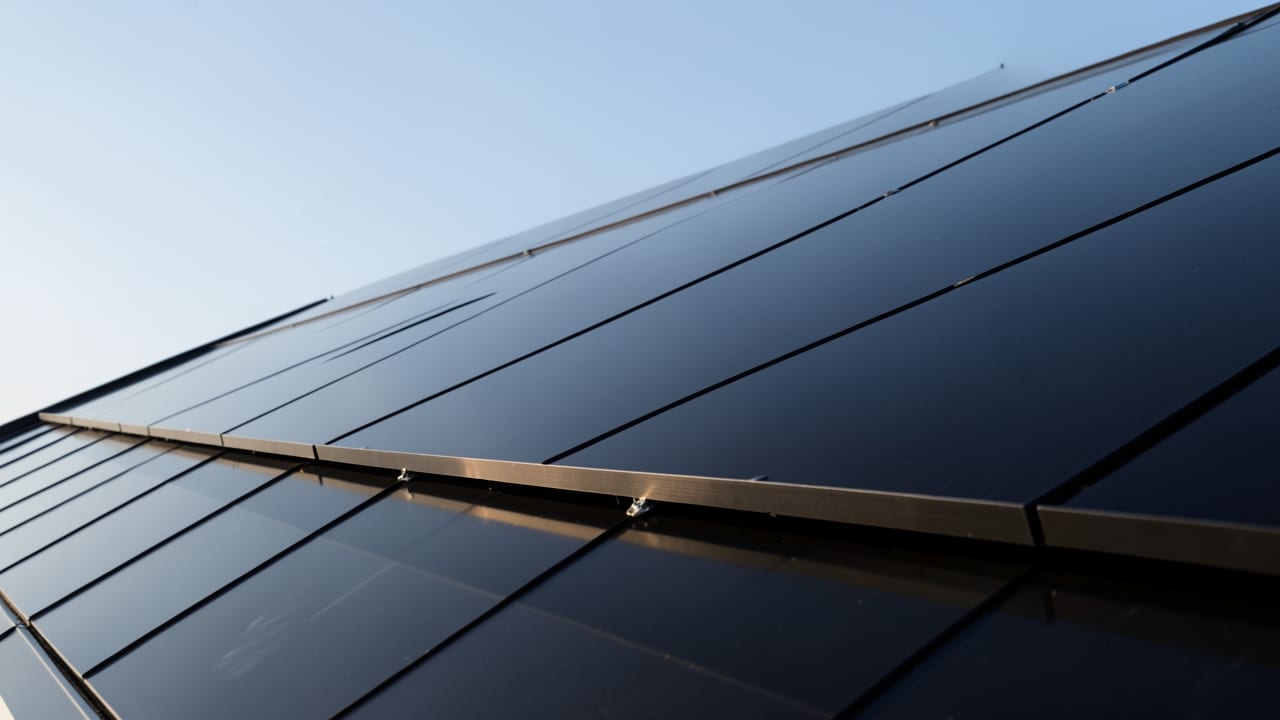
Solar Panel Cleaning in Orange Park, FL
Solar panel cleaning in Orange Park, FL — low-pressure, purified-water rinse that restores panel output without scratching the glass.
Learn More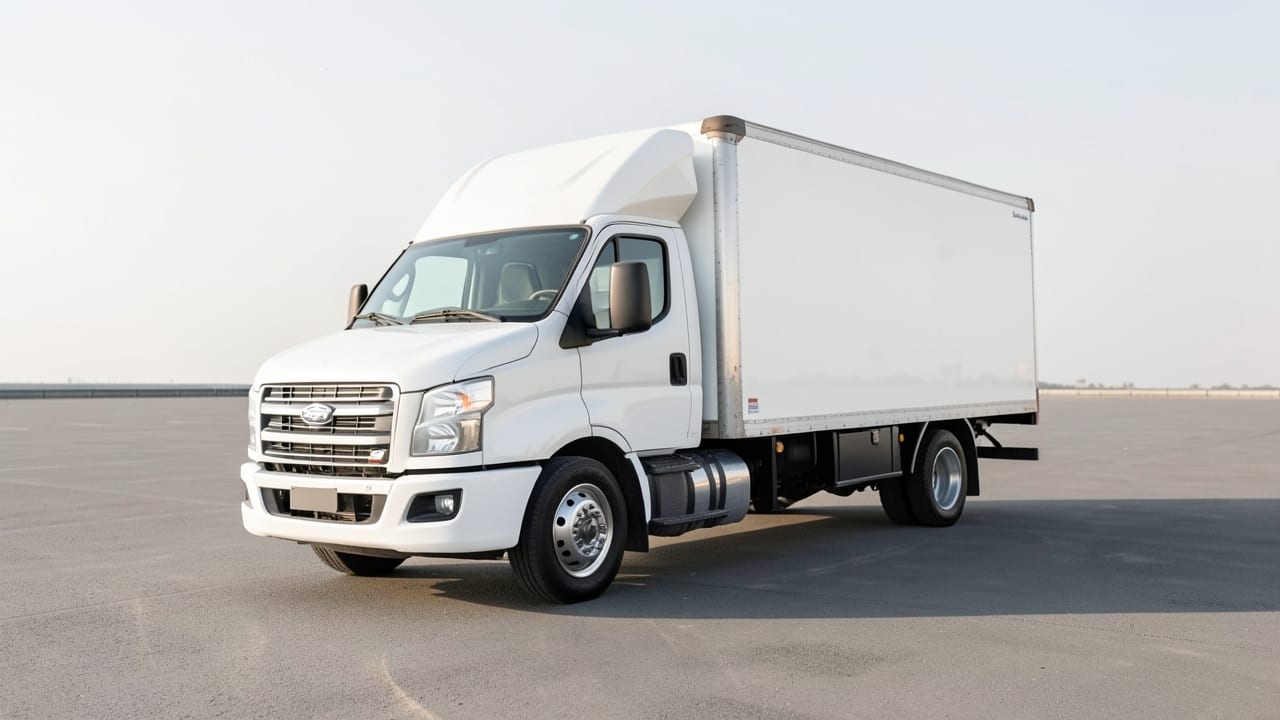
Fleet Washing in Orange Park, FL
Mobile fleet washing for commercial vehicles in Orange Park, FL — on-site cleaning for work trucks and vans.
Learn More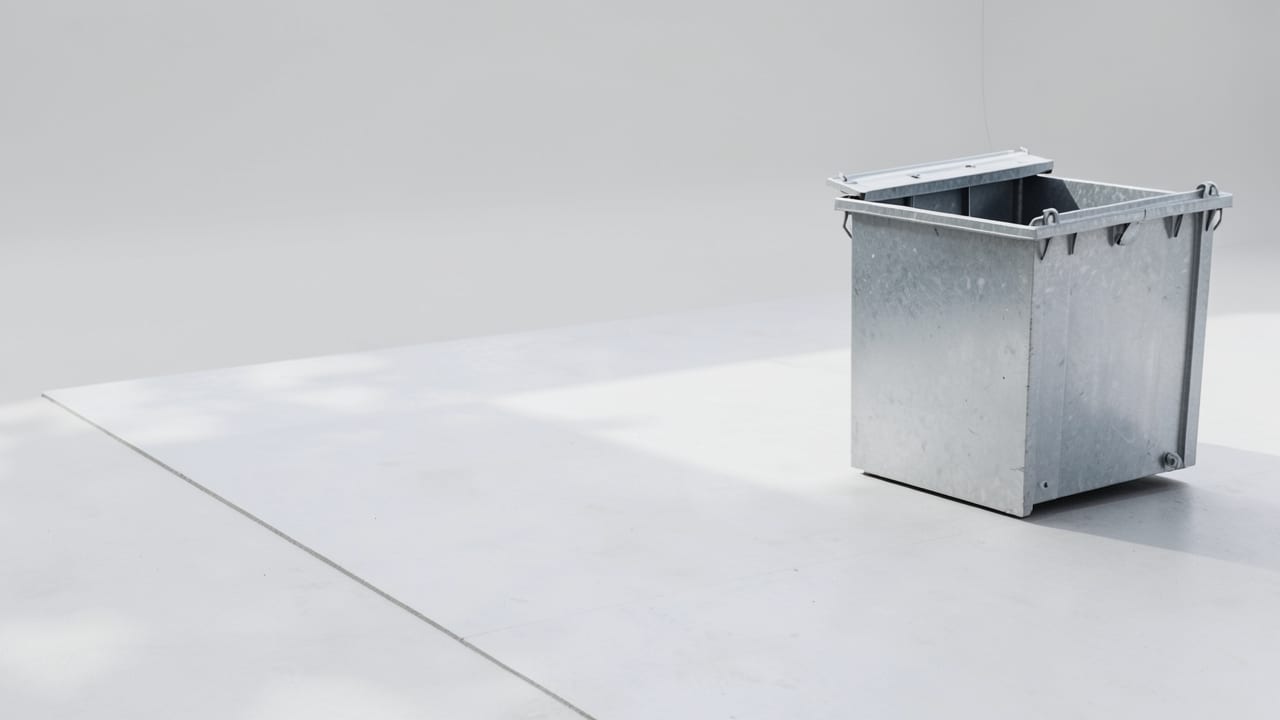
Dumpster Pad Cleaning in Orange Park, FL
Commercial dumpster pad cleaning in Orange Park, FL — hot-water sanitizing for grease, odor, and staining.
Learn More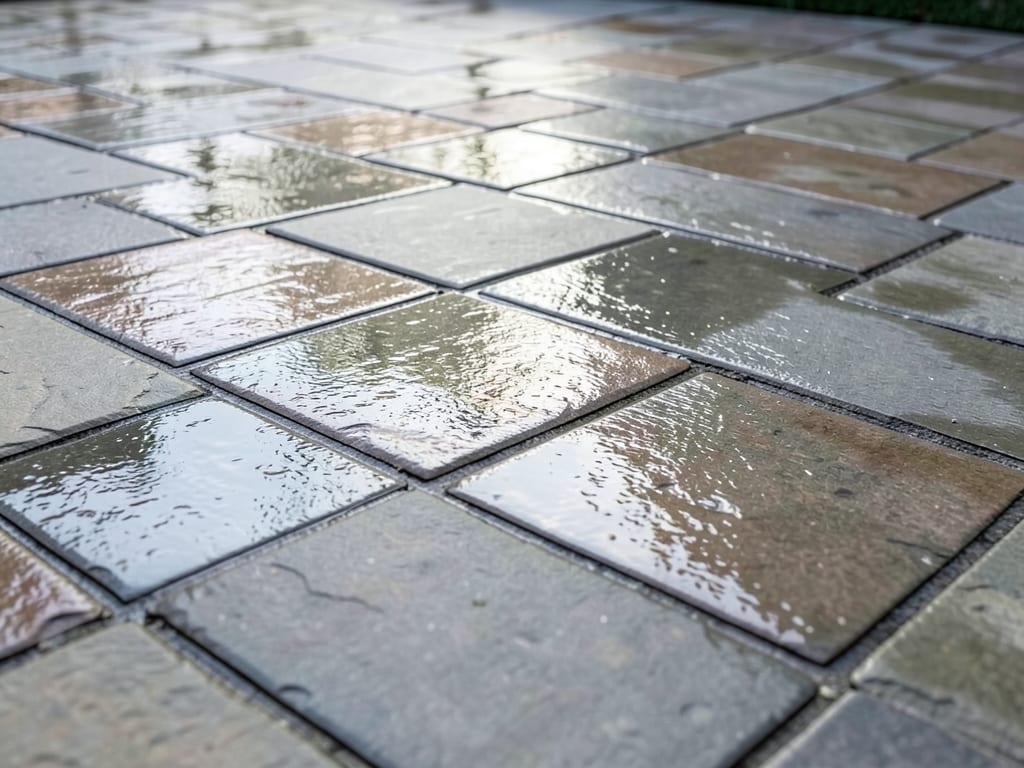
Paver Sealing in Orange Park, FL
Paver sealing in Orange Park, FL — a protective, wet-look finish applied after cleaning to lock in color and block stains.
Learn More
Awning & Canopy Cleaning in Orange Park, FL
Awning and canopy cleaning in Orange Park, FL — fabric-safe, low-pressure cleaning for storefront and residential awnings.
Learn More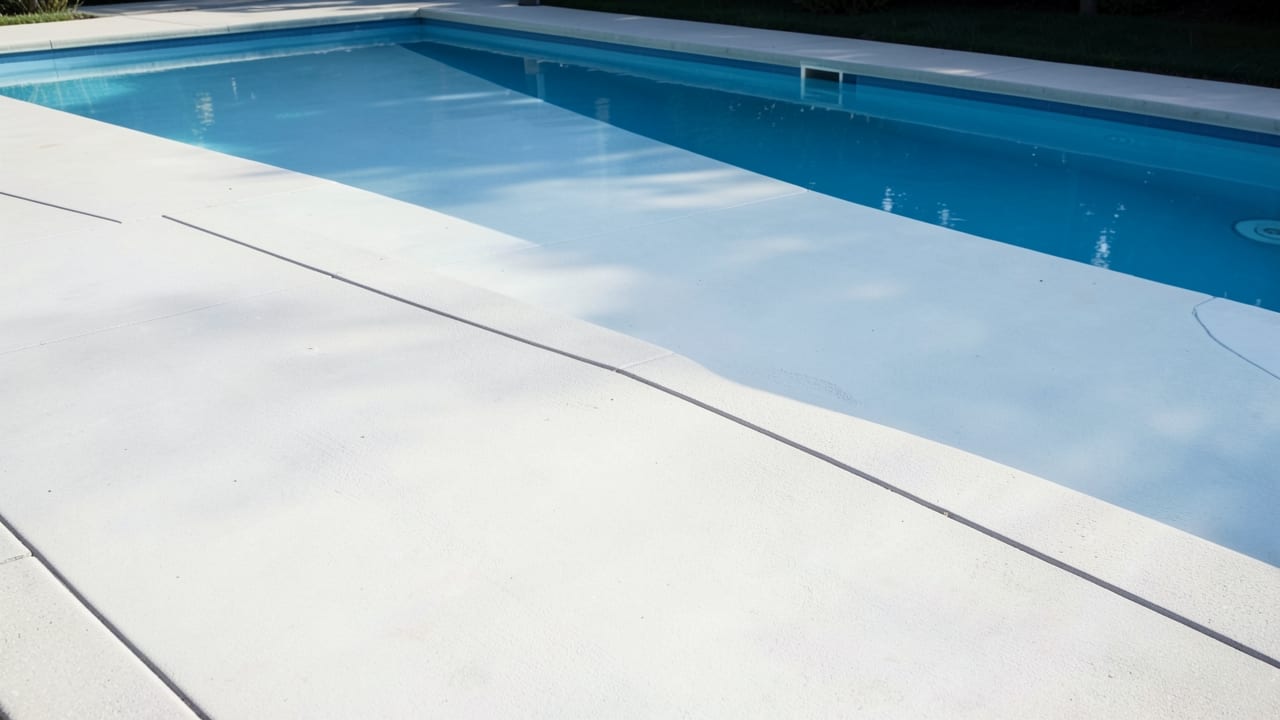
Pool Deck Cleaning in Orange Park, FL
Pool deck cleaning in Orange Park, FL — chemical-safe cleaning that restores slip resistance and removes algae staining.
Learn MoreCommon Questions About Pressure Washing in Orange Park
Everything you need to know about pressure washing services in Orange Park
How much does Parking Lot Cleaning typically cost in Orange Park, FL?
Why does algae and mildew growth on homes in Orange Park, FL come back so quickly?
Is renting a pressure washer and doing the job at home a reasonable option?
How long does washing a typical house exterior take?
Can pressure washing damage concrete, pavers, or mortar joints?
What are the actual named steps in a professional pressure washing job?
Need Pressure Washing in Orange Park?
Get a written quote from our Orange Park crew.
⏰ We answer your call • Serving all of Orange Park and surrounding areas