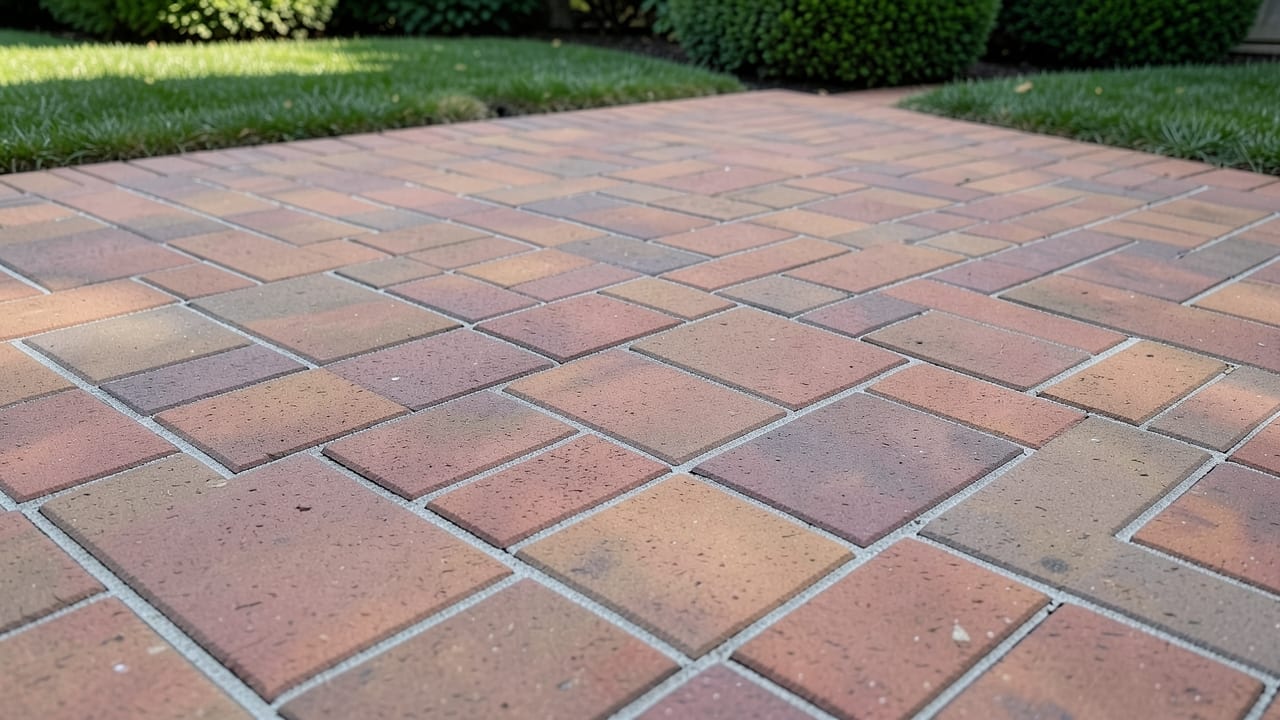
Patio Cleaning
High-pressure washing to remove dirt, grime, and stains from patios, restoring their appearance.
Patio cleaning in Orange Park, FL, uses high-pressure water and targeted detergents to restore concrete, stone, and wood surfaces by removing deep-seated dirt, algae, oil stains, and mineral deposits.
Unlike regular sweeping, this process tackles built-up grime that rain alone can’t lift, revitalizing your outdoor space for better curb appeal and usability. Special attention is given to surface types—like sealed or stamped concrete—to avoid damage while ensuring a thorough clean.
We also handle Pool Deck Cleaning and Rust Removal for Orange Park properties.
When your patio needs more than a sweep
Not all dirt is created equal. Dark, stubborn stains from oil, tires, or rust—especially those that spread slightly after rain—require pressure washing, not just a hose.
A slick surface when wet often signals algae or mildew buildup, while a green or black tinge in shaded corners is a sign of organic growth taking hold. Even a white, powdery haze (efflorescence) needs specialized treatment to prevent recurrence.
Pressure washing isn’t just about aesthetics; it’s about restoring functionality. A clean patio prevents slips from algae, reduces long-term damage from trapped moisture, and makes outdoor spaces safer and more enjoyable. Ignoring these signs can lead to deeper staining, surface erosion, or even structural issues over time.
Signs Your Patio Needs Professional Cleaning
- Dark stains that don’t fade with rain and seem to spread at the edges (oil, grease, or rust).
- A noticeably slick surface when wet, beyond normal wet concrete (algae or mildew film).
- Green or black discoloration in shaded corners or low spots where water pools (organic growth).
- White, powdery deposits (efflorescence) that resemble dust but won’t wash away easily.
- Visible etching or swirl marks from past DIY pressure washing attempts.
What affects cost and timeline?
The size of your patio is the most straightforward factor, but surface material and condition play a bigger role. Sealed or stamped concrete requires lower pressure to avoid damaging the finish, while plain concrete can handle higher settings.
Stubborn stains or organic growth may need extra detergent dwell time or multiple passes, extending the job. Accessibility—like tight corners or edges near landscaping—also adds time.
Pre-existing damage, such as cracks or loose mortar, often surfaces once dirt is removed. While pressure washing won’t repair structural issues, it can reveal problems that need separate attention. Always clarify upfront whether the quote includes post-cleaning sealing, as this is often an add-on that significantly extends protection between cleanings.
Avoiding common mistakes
DIY pressure washing often backfires by using the wrong PSI for the surface or skipping detergent pre-treatment. Oil stains, for example, spread outward without a degreasing solution, making them harder to remove.
Similarly, holding the wand too close to concrete can etch permanent lines that no amount of cleaning will fix. Even well-meaning homeowners risk damaging sealed surfaces or spreading contaminants into storm drains.
Professional services account for these pitfalls by adjusting pressure per material, using targeted chemicals, and containing runoff. They also inspect for hidden damage and recommend follow-up steps like sealing or drainage improvements—details that DIY efforts often overlook.
Avoid quotes that: omit PSI/method details per surface, offer prices far below comparable bids, don’t disclose chemicals or their impact on landscaping, or demand full payment upfront. Always ask for a written scope listing every surface included and how pre-existing damage will be handled.
How patio cleaning works
- 1Surface Assessment
The patio is inspected for material type (plain concrete, sealed, stamped, or stone) and specific stains. Sealed surfaces are flagged for lower-pressure treatment to avoid discoloration, while oil or organic stains are noted for pre-treatment.
- 2Detergent Application
A degreasing or stain-lifting solution is sprayed onto oil, tire marks, and algae-prone areas. The detergent dwells to break down contaminants, preventing pressure alone from spreading stains outward.
- 3Pressure Cleaning
The surface is cleaned in overlapping passes with a surface cleaner attachment held at a consistent distance. Edges, joints, and corners are finished separately at reduced pressure to avoid etching.
- 4Rinse and Containment
A final clear-water rinse removes residue, and runoff is directed away from planting beds and storm drains to protect landscaping and local waterways.
- 5Post-Cleaning Inspection
The patio is checked for missed spots or damage. A penetrating sealer is applied to fill pores and prevent future staining, extending the clean appearance between services.
Frequently asked questions
Will pressure washing damage my stamped or sealed concrete patio?
Yes, if the wrong pressure is used. Sealed or stamped concrete requires a lower PSI setting to avoid stripping the finish or causing discoloration. Professionals adjust pressure per surface type to preserve the look and integrity of decorative concrete.
How do I know if my patio has algae or just dirt?
Algae creates a slippery film when wet, unlike plain dirt. It also thrives in shaded, damp areas, leaving green or black tinges in corners or low spots. A hose test—if the slickness persists after rinsing—confirms algae growth.
Can pressure washing remove oil stains from my driveway?
Pressure alone often spreads oil stains by pushing them deeper into the concrete’s pores. A professional uses a degreasing detergent applied before pressure washing to lift and remove the stain without spreading it.
How often should I clean my patio to keep it looking new?
Routine sweeping prevents debris buildup, but pressure washing is recommended every 1–2 years, or sooner if you notice stubborn stains, algae, or mineral deposits. Post-cleaning sealing can extend the time between services by protecting the surface.
Where Orange Park sits, and what the Census lists nearby
Orange Park sits in Florida, and the closest places listed in the U.S. Census Gazetteer are Bellair-Meadowbrook Terrace (1.9 miles west), Lakeside (4.5 miles southwest), Fleming Island (5 miles south), Fruit Cove (7.2 miles southeast).
Within 25 miles of Orange Park the same source lists 20 distinct incorporated places and census-designated places.
Those figures matter for patio cleaning because they are straight-line distances between Census coordinate points: road mileage between Orange Park and Bellair-Meadowbrook Terrace runs longer than the 1.9 miles shown, which is why quotes for the same job differ between towns that look close together on a map.
Source: U.S. Census Bureau Gazetteer.
See Lakeside, FL for more, or check out the full pressure washing lineup we run in Orange Park in one place for our complete lineup.
Ready to get started?
Talk to a local pressure washing pro in Orange Park — get a written quote.
Other Pressure Washing Services in Orange Park
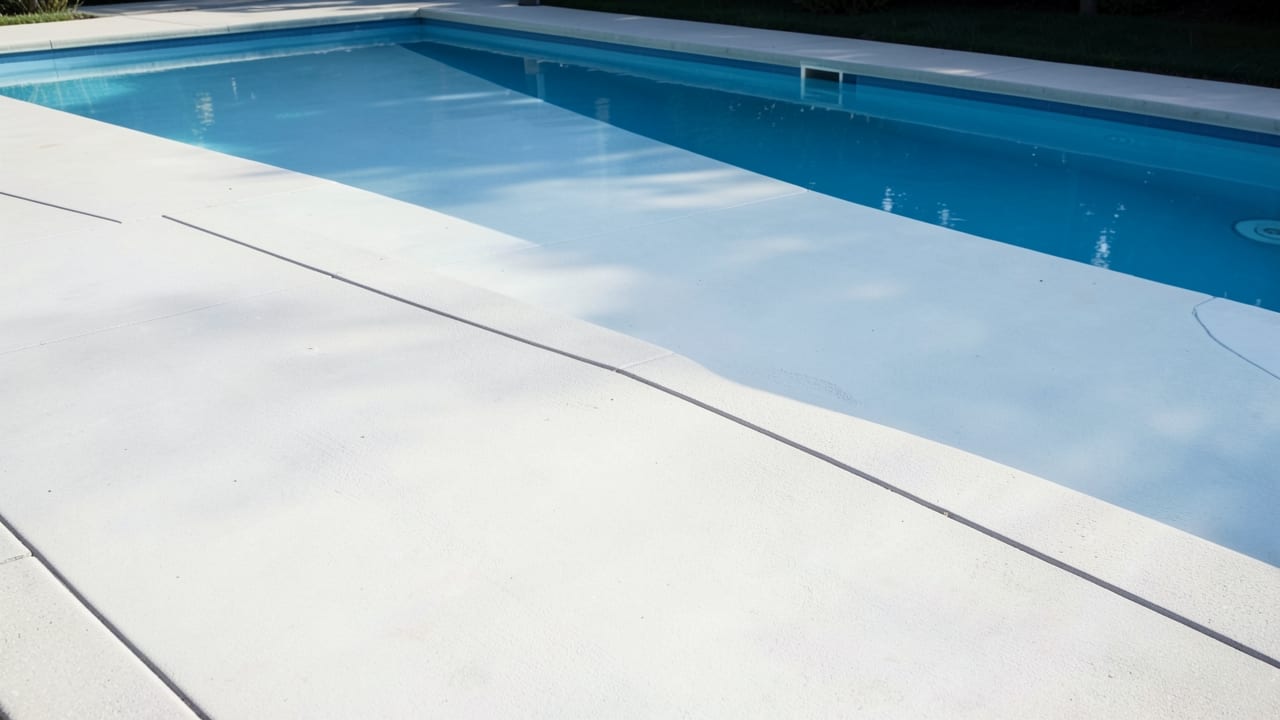
Pool Deck Cleaning in Orange Park, FL
Pool deck cleaning in Orange Park, FL — chemical-safe cleaning that restores slip resistance and removes algae staining.
Learn More
Rust Removal in Orange Park, FL
Professional pressure washing to remove rust stains from driveways, sidewalks, and exterior surfaces.
Learn More
Mildew Treatment in Orange Park, FL
Professional pressure washing to remove mildew from exterior surfaces like siding, decks, and fences.
Learn More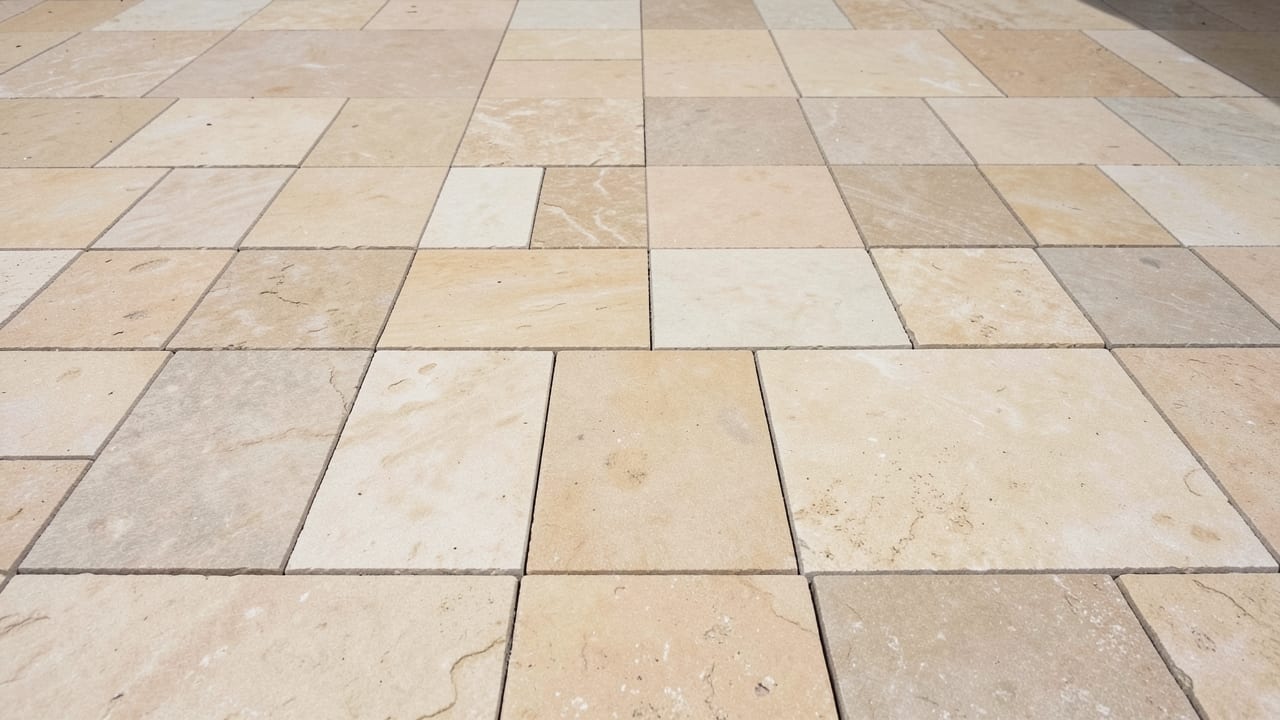
Stone Cleaning in Orange Park, FL
High-pressure washing to remove dirt, grime, and stains from stone surfaces like driveways and patios.
Learn More
Parking Lot Cleaning in Orange Park, FL
High-pressure washing to remove dirt, oil, and debris from parking lot surfaces.
Learn More
Warehouse Cleaning in Orange Park, FL
High-pressure cleaning of warehouse interiors and exteriors to remove dirt, grime, and debris.
Learn MoreCommon Questions About Pressure Washing in Orange Park
Everything you need to know about pressure washing services in Orange Park
How much does Patio Cleaning typically cost in Orange Park, FL?
Why does algae and mildew growth on homes in Orange Park, FL come back so quickly?
How long does washing a typical house exterior take?
Can pressure washing damage concrete, pavers, or mortar joints?
What are the actual named steps in a professional pressure washing job?
Can the wrong PSI actually damage a house or driveway?
Need Pressure Washing in Orange Park?
Get a written quote from our Orange Park crew.
⏰ We answer your call • Serving all of Orange Park and surrounding areas