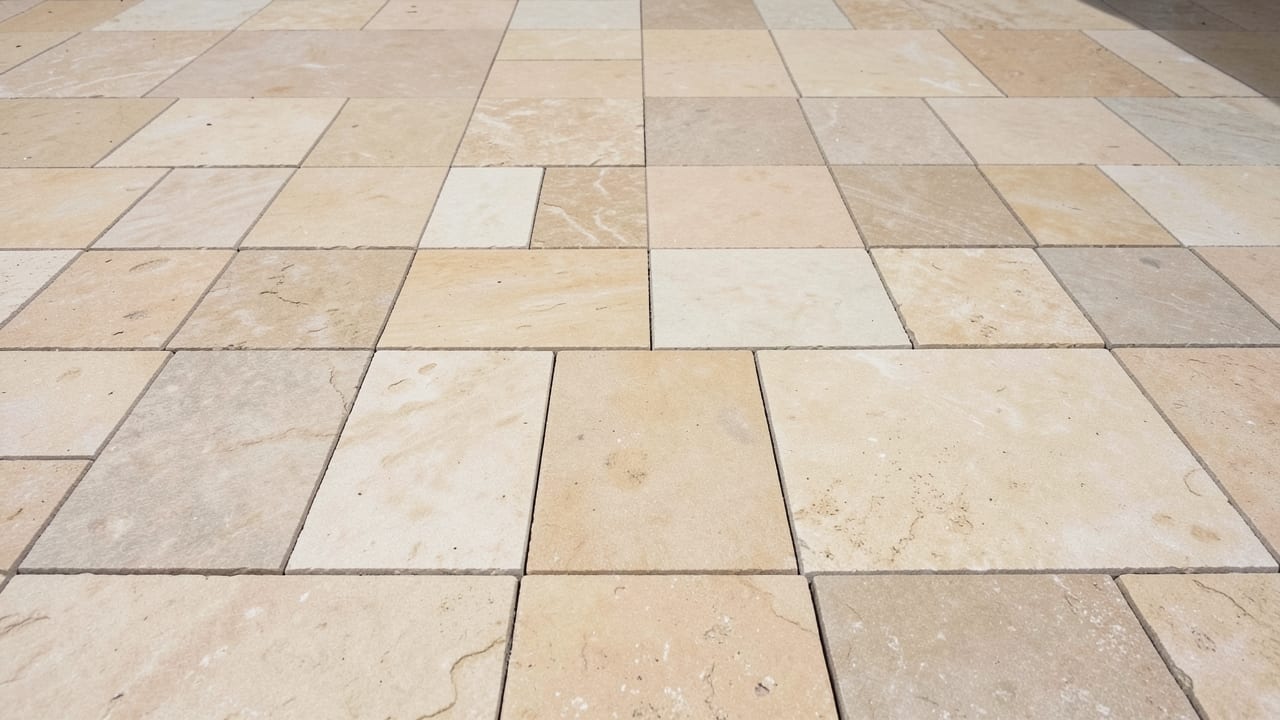
Stone Cleaning
High-pressure washing to remove dirt, grime, and stains from stone surfaces like driveways and patios.
Stone cleaning in Orange Park, FL, revitalizes natural and manufactured stone surfaces by removing embedded dirt, algae, moss, and stains using specialized low-to-medium pressure washing techniques.
This process enhances curb appeal, prevents long-term damage, and preserves the integrity of patios, walkways, and retaining walls—all while addressing unique challenges like efflorescence and mortar deterioration common in the region’s humid climate.
We also handle Exterior Door Cleaning and Shutter Cleaning for Orange Park properties.
When is stone cleaning needed?
Stone surfaces often hide signs of damage beneath layers of grime. A greenish or black film on brick or stone, especially on shaded sides, is algae or mildew—not natural discoloration.
Efflorescence, a white, chalky haze, indicates mineral deposits from moisture seeping through the masonry, while dark staining below downspouts or rooflines points to concentrated runoff carrying dirt. These issues worsen over time, accelerating mortar erosion and surface pitting if left untreated.
Mortar joints that appear recessed or crumble under gentle pressure are a critical warning sign. Directing high-pressure water into these joints can erode them further, leading to costly re-pointing. A thorough inspection before cleaning ensures the right pressure settings are used, protecting both the stone and mortar from avoidable damage.
Signs Your Stone Needs Cleaning
- White, chalky patches (efflorescence) spreading across brick or stone surfaces.
- Dark, uneven staining concentrated below downspouts, gutters, or rooflines.
- Greenish or black film (algae/mildew) on shaded or less sun-exposed areas.
- Mortar joints that look recessed, crumble slightly when touched, or show signs of erosion.
- Surface pitting or loss of texture on older or softer brick and natural stone.
What affects pricing and timing?
The cost of stone cleaning varies based on the surface area, material type, and the extent of staining or damage. Unlike concrete, masonry requires careful, low-to-medium pressure techniques to avoid harming softer bricks or mortar, which can increase labor time.
Efflorescence and organic stains may need additional chemical treatments, further influencing the total cost. Additionally, access to hard-to-reach areas—like high retaining walls or tight corners—can extend the job duration.
Local market data suggests stone cleaning for a full exterior typically ranges between $50–$75 per square foot, though this can shift based on site conditions, material sensitivity, and whether sealing or re-pointing is required.
Always request a detailed quote specifying pressure settings, chemicals used, and whether the scope includes all surfaces—such as driveways, patios, or walkways.
Preventing future damage
Stone cleaning isn’t just about restoring appearance—it’s about protecting your investment. After cleaning, apply a vapor-permeable sealer to reduce water and dirt absorption while allowing trapped moisture to escape.
This prevents recurring efflorescence and staining. Redirecting downspouts and sprinklers away from masonry walls also minimizes repeated moisture exposure, a common cause of localized staining.
For mortar joints already showing recession or crumbling, re-pointing during the cleaning process can prevent further deterioration. Keeping mulch, dense plantings, or vines away from the base of walls reduces moisture buildup, where staining and efflorescence often start.
These proactive steps extend the life of your stone surfaces and maintain their beauty long after cleaning.
Schedule stone cleaning in dry, mild weather (50–75°F) to avoid trapping moisture in the masonry, which can freeze and crack softer materials during cold snaps. A final inspection for loose mortar or pitting after cleaning helps catch issues before they worsen.
How stone cleaning works
A professional stone cleaning process balances precision and care to restore surfaces without causing damage.
- 1Mortar and Surface Inspection
The technician examines mortar joints for recession or crumbling and assesses the stone’s hardness. Softer or older materials require lower pressure settings to avoid pitting or erosion. Algae, efflorescence, and staining patterns are also noted to tailor the cleaning approach.
- 2Low-Pressure Washing with Masonry-Safe Solutions
Using a 1,500–2,800 PSI pressure washer, water is directed across the face of the stone, not into the joints, to lift embedded dirt and stains. A masonry-safe detergent treats efflorescence and organic growth without scrubbing, which can damage softer surfaces. Corners and edges receive extra attention at reduced pressure.
- 3Detail Work and Joint Protection
Window sills, corners, and areas near mortar joints are cleaned with closer control to remove grime from textures without accelerating joint erosion. The technician avoids aiming pressure directly into recessed mortar, which can erode it faster than natural weathering.
- 4Rinse and Final Inspection
A thorough rinse removes loosened residue, and the mortar joints are rechecked for hidden deterioration. Wet joints reveal cracks or crumbling more clearly, allowing for immediate recommendations like re-pointing if needed.
- 5Sealing and Maintenance Advice
A vapor-permeable sealer is applied to reduce future water absorption, and the technician advises on redirecting downspouts or adjusting landscaping to minimize recurring moisture issues. Homeowners receive a checklist for ongoing maintenance.
Frequently asked questions
Will pressure washing damage my old brick or stone?
Older or softer brick and natural stone can pit or lose texture under high pressure. A professional uses low-to-medium pressure (1,500–2,800 PSI) and inspects mortar joints first to avoid erosion. Always ask for a pre-cleaning assessment of your material’s condition.
Why does my stone have white patches after cleaning?
White patches are likely efflorescence, a mineral deposit from moisture moving through the masonry. Scrubbing it off can pit softer stone, so a masonry-safe solution is used instead. Redirecting water sources and sealing afterward can prevent recurrence.
How often should I clean my stone surfaces?
Stone surfaces in Orange Park’s humid climate may need cleaning every 2–5 years, depending on exposure to shade, moisture, and organic growth. A vapor-permeable sealer applied post-cleaning can extend this interval by reducing water absorption.
Can I clean the stone myself with a pressure washer?
DIY pressure washing risks damaging mortar or pitting softer stone if the wrong PSI or technique is used. Professionals use low-pressure, masonry-safe detergents and inspect joints first—critical steps that protect your investment.
Where Orange Park sits, and what the Census lists nearby
Orange Park sits in Florida, and the closest places listed in the U.S. Census Gazetteer are Bellair-Meadowbrook Terrace (1.9 miles west), Lakeside (4.5 miles southwest), Fleming Island (5 miles south), Fruit Cove (7.2 miles southeast).
Within 25 miles of Orange Park the same source lists 20 distinct incorporated places and census-designated places.
Those figures matter for stone cleaning because they are straight-line distances between Census coordinate points: road mileage between Orange Park and Bellair-Meadowbrook Terrace runs longer than the 1.9 miles shown, which is why quotes for the same job differ between towns that look close together on a map.
Source: U.S. Census Bureau Gazetteer.
See Lawtey, FL for more, or find out about our complete Orange Park service list by service type for our complete lineup.
Ready to get started?
Talk to a local pressure washing pro in Orange Park — get a written quote.
Other Pressure Washing Services in Orange Park
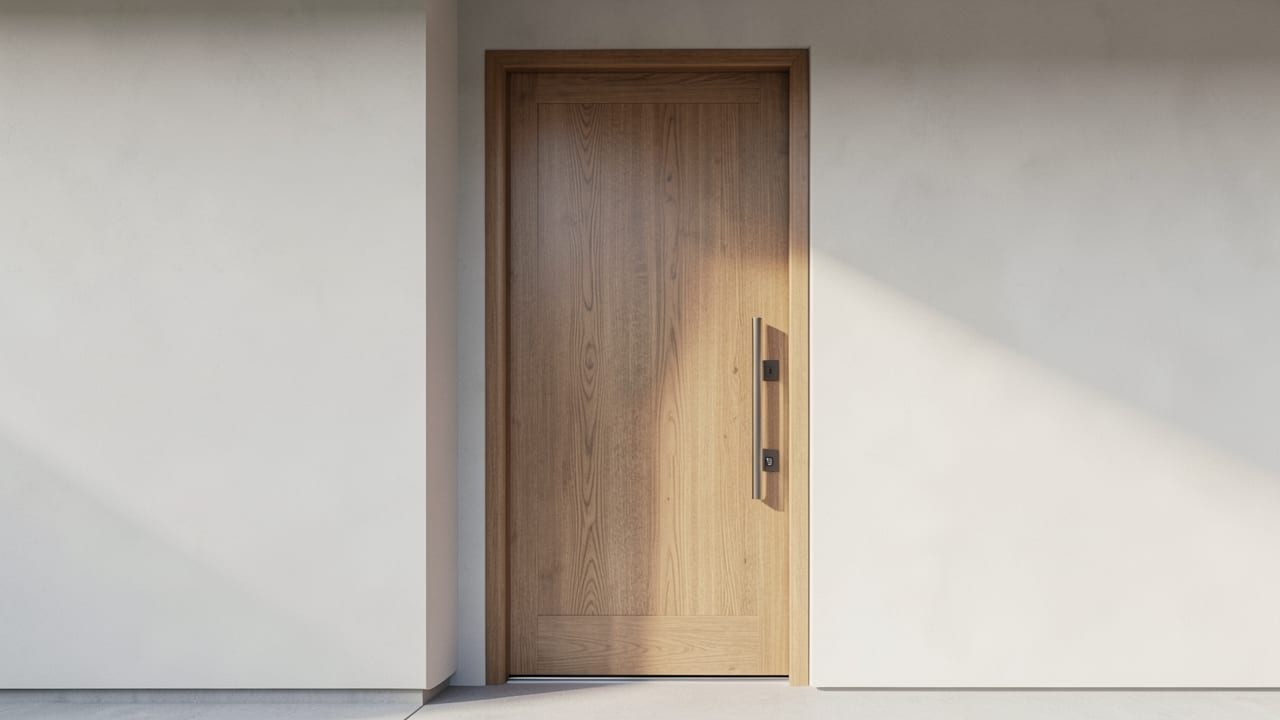
Exterior Door Cleaning in Orange Park, FL
High-pressure cleaning to remove dirt, grime, and stains from exterior doors.
Learn More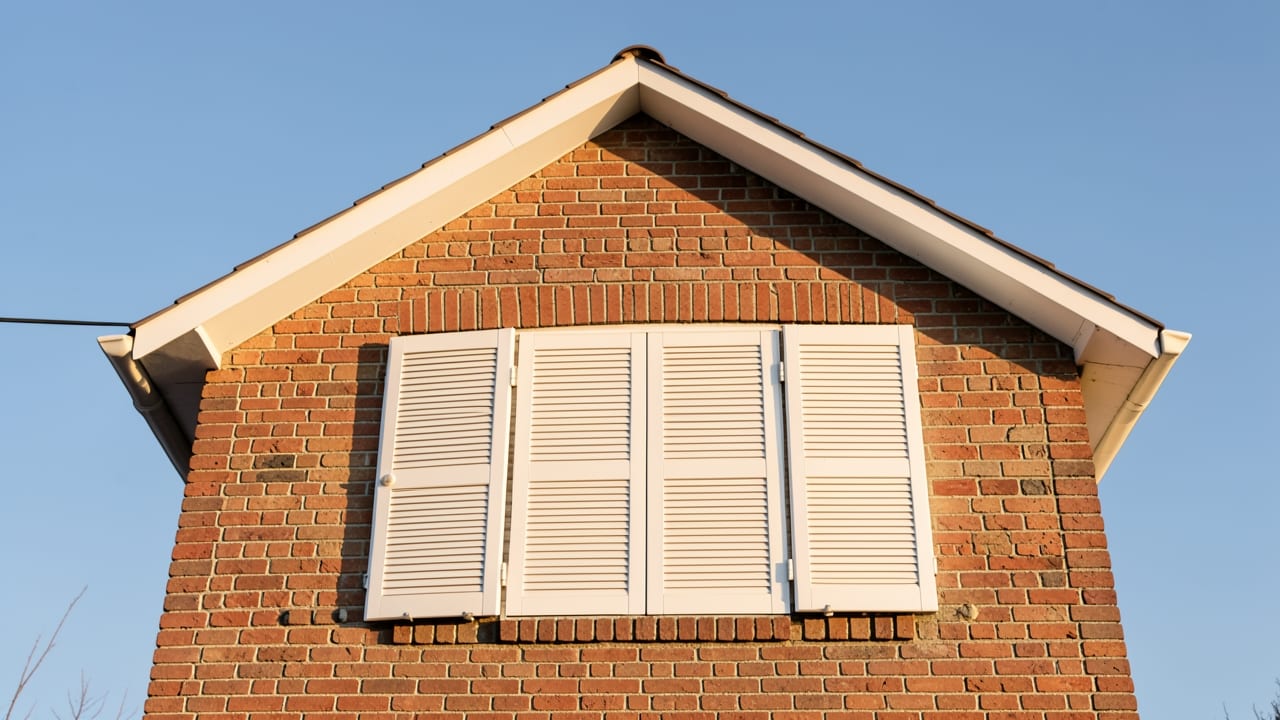
Shutter Cleaning in Orange Park, FL
Professional pressure washing to remove dirt, grime, and debris from exterior shutters.
Learn More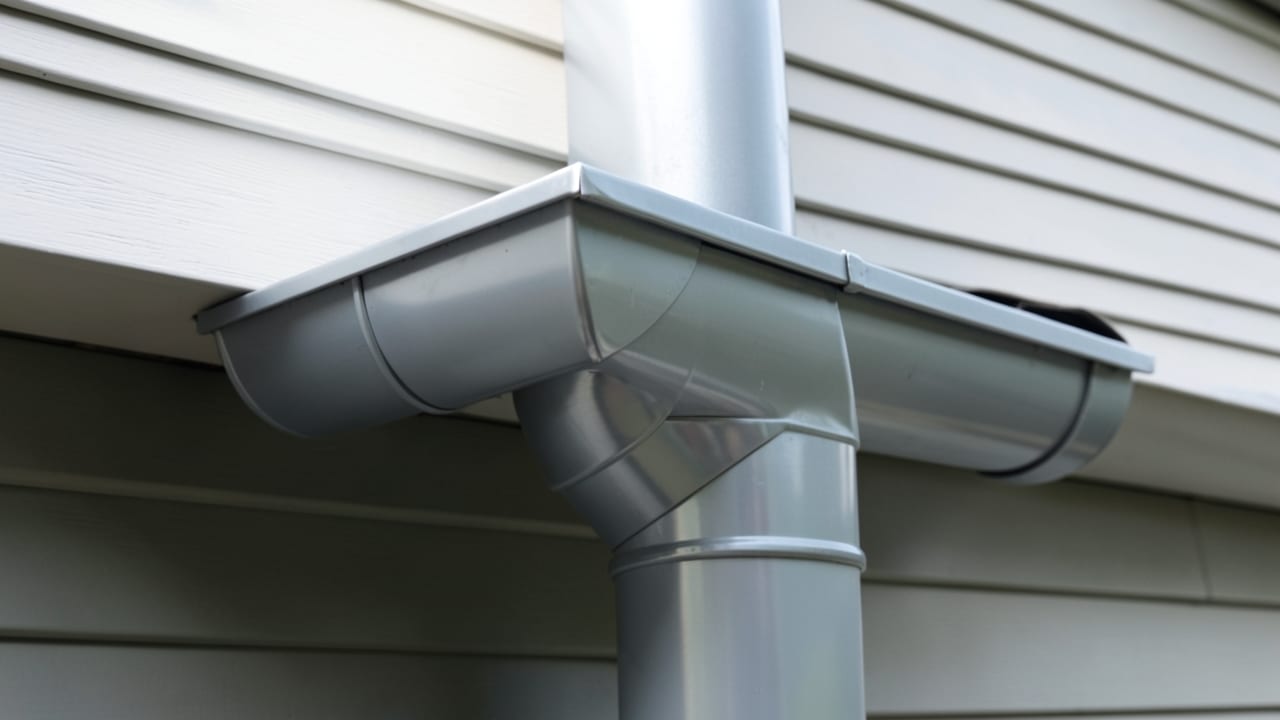
Downspout Cleaning in Orange Park, FL
Clearing clogged downspouts to ensure proper drainage and prevent water damage.
Learn More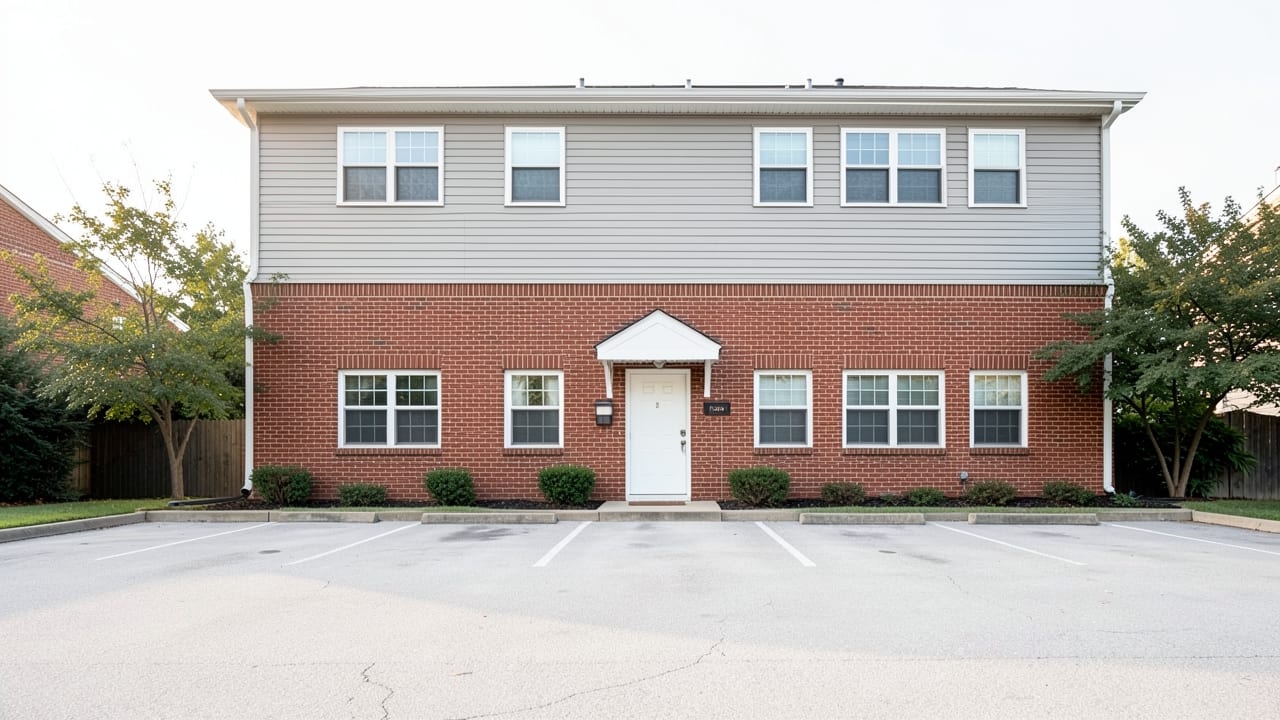
Apartment Complex Washing in Orange Park, FL
High-pressure cleaning of apartment building exteriors, walkways, and common areas to remove dirt and grime.
Learn More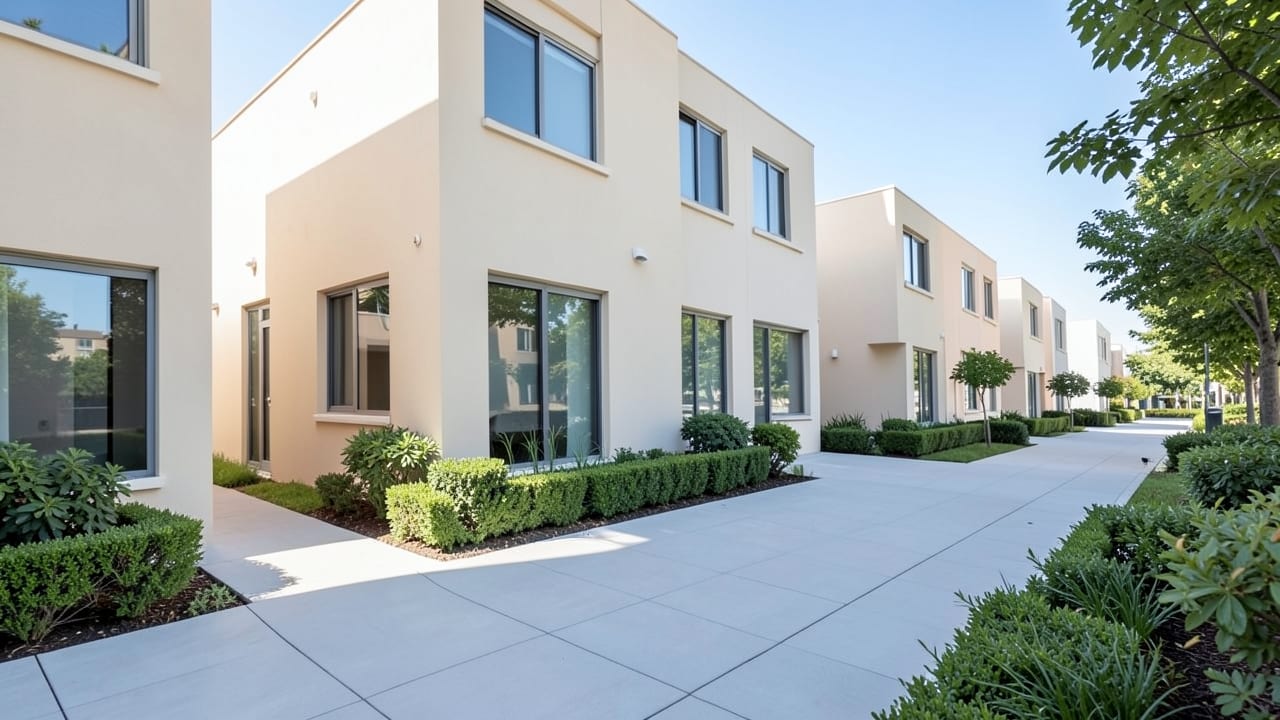
Condo Association Washing in Orange Park, FL
High-pressure cleaning of condo association exteriors, walkways, and common areas to remove dirt and grime.
Learn More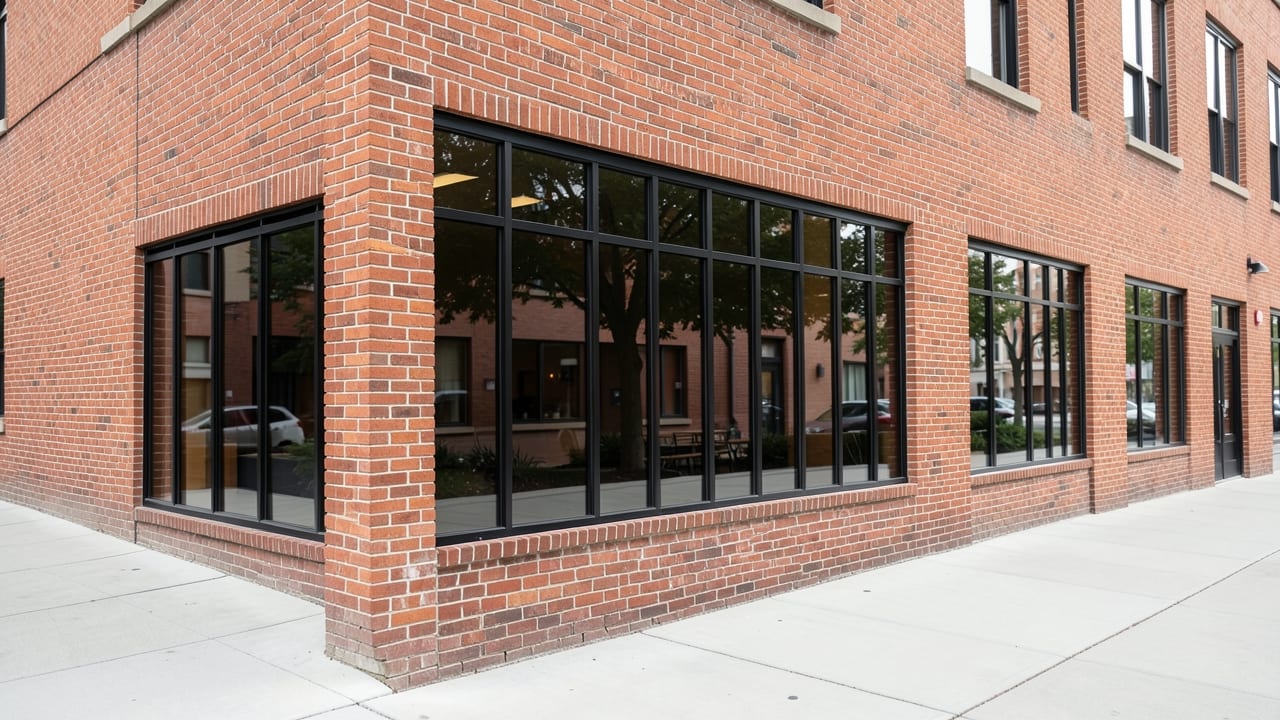
Restaurant Exterior Washing in Orange Park, FL
High-pressure cleaning of restaurant building exteriors, sidewalks, and outdoor surfaces to remove grime and stains.
Learn MoreCommon Questions About Pressure Washing in Orange Park
Everything you need to know about pressure washing services in Orange Park
How much does Stone Cleaning typically cost in Orange Park, FL?
Why does algae and mildew growth on homes in Orange Park, FL come back so quickly?
Are the cleaning chemicals used in soft washing safe for landscaping and pets?
Would home insurance cover damage caused by improper pressure washing?
Can pressure washing strip paint or an existing sealant off a surface?
Is renting a pressure washer and doing the job at home a reasonable option?
Need Pressure Washing in Orange Park?
Get a written quote from our Orange Park crew.
⏰ We answer your call • Serving all of Orange Park and surrounding areas