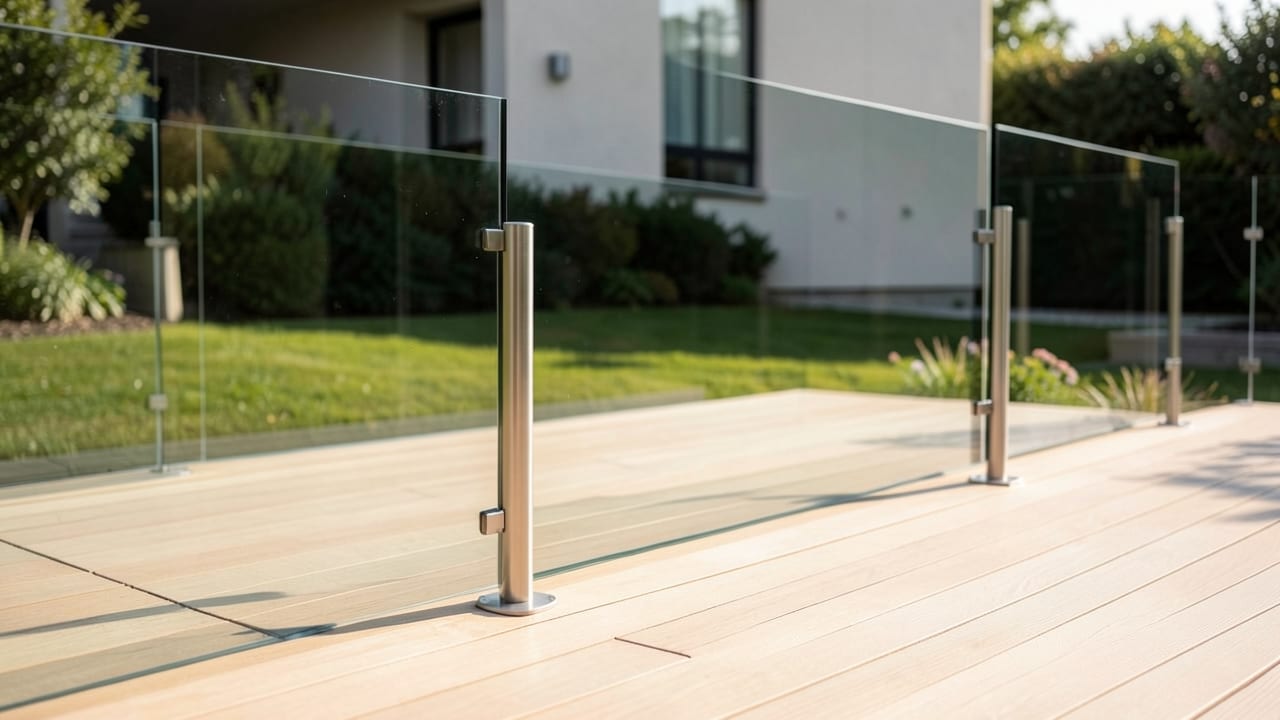
Glass Railing Cleaning
High-pressure cleaning to remove dirt, grime, and water spots from glass railings.
Glass railing cleaning in Orange Park, FL, uses precision pressure washing to remove streaks, mineral deposits, and environmental buildup from both indoor and outdoor glass barriers.
This process restores clarity and enhances the appearance of your glass railings without harsh scrubbing, ensuring a spotless finish tailored to your home’s unique needs.
We also handle Playground Equipment Cleaning and Boat Dock Cleaning for Orange Park properties.
Why your glass railings need cleaning
Glass railings in Orange Park homes often accumulate streaks, mineral deposits, and environmental grime over time, even if they look clean from a distance. Algae, mildew, and hard water stains thrive in shaded or damp areas, leaving a dull, streaked appearance that detracts from your home’s curb appeal.
These buildups are rarely just dirt—they spread steadily if left untreated, making regular cleaning essential for maintaining clarity and longevity.
The first signs of buildup are often subtle: green or black streaks on the side of the railing facing away from direct sunlight, or a fine chalky residue that’s easier to feel than to see.
Cobwebs, insect debris, and dirt tend to collect in corners, under eaves, or around fixtures first, signaling that deeper cleaning is needed before the rest of the railing shows visible dirt.
Signs Your Glass Railings Need Cleaning
- Green or black streaks on shaded or less sun-exposed sides of the railing
- A fine chalky residue when running a hand across the glass surface
- Visible cobwebs, insect debris, or dirt collecting in corners or around fixtures
- Water spots or mineral deposits that don’t wipe away easily with a dry cloth
- Dull or streaked appearance that detracts from your home’s aesthetic
How cleaning affects your home’s surroundings
Before any pressure washing begins, protective measures are taken to safeguard your home and landscaping. Nearby plants, shrubs, and mulch are wetted down and covered, and exterior outlets or fixtures are bagged to prevent damage from cleaning solution runoff or overspray.
This step is critical, as overspray is the most common complaint in siding and railing cleaning jobs, not the wash itself.
The cleaning process itself uses a detergent pre-treatment formulated specifically for glass surfaces. This solution breaks down algae, mildew, and mineral deposits chemically, ensuring a thorough clean without relying solely on high-pressure blasting.
After the solution dwells, the railing is rinsed with low-pressure water—typically under 500 PSI—to avoid streaking or damaging the glass.
Directing a pressure washer wand into seams or up under edges can force water behind glass panels, leading to long-term issues like mold growth or sealant failure. Always use a consistent, controlled technique to clean the surface without compromising the integrity of your railings.
Factors that influence cleaning effectiveness
The speed at which glass railings re-dirty after cleaning depends largely on their exposure to moisture. Sections shaded by vegetation, overhangs, or nearby trees stay damp longer, creating ideal conditions for algae and mildew to re-establish quickly.
Trimming back overhanging branches or relocating sprinkler heads away from the railings can significantly slow down regrowth.
Permanently shaded areas, such as north-facing railings or those under eaves, will always require more frequent cleaning than sun-exposed sections. This isn’t a failure of the cleaning process—it’s a result of lower UV exposure, which inhibits natural drying and algae prevention.
Keeping gutters clear also prevents water runoff from carrying roof grime onto cleaner sections of your railings.
| Factor | Impact on Cleaning | Solution |
|---|---|---|
| Shaded or damp areas | Algae and mildew regrow faster | Trim vegetation and redirect sprinklers |
| Permanently shaded railings | Require more frequent cleaning | Accept that these areas need attention sooner |
| Clogged gutters | Cause water runoff with roof grime | Clean gutters regularly |
| Sprinkler heads aimed at railings | Keep sections damp daily | Adjust sprinkler direction away from railings |
How glass railing cleaning works
Precision and protection define the process for restoring glass railings to clarity.
- 1Preparation and Protection
Nearby landscaping is wetted down and covered, and any exterior fixtures or outlets are sealed off to prevent damage from cleaning solution runoff or overspray. This step ensures your home and surroundings remain undisturbed during the process.
- 2Detergent Application
A specialized cleaning solution is applied at low pressure to break down algae, mildew, and mineral deposits chemically. The solution dwells on the surface to ensure deep penetration without relying on high-pressure blasting.
- 3Low-Pressure Rinse
The railing is rinsed with water at a controlled pressure—typically under 500 PSI—to avoid streaking or damaging the glass. The wand moves at a consistent speed in overlapping passes to ensure an even finish.
- 4Spot Treatment and Final Rinse
Areas with heavier staining receive a second, more concentrated pass, while the rest of the railing undergoes a final clear-water rinse to remove any residue. The process concludes with a daylight inspection to check for missed spots or damage.
Frequently asked questions
How do I know if my glass railings need cleaning?
Look for green or black streaks on shaded sides, a chalky residue when touched, or visible cobwebs and debris in corners. If the glass looks dull or streaked even after wiping, it’s time for a professional clean.
Will cleaning my glass railings damage them?
When done correctly, pressure washing at the right PSI and with proper technique won’t damage glass railings. However, using incorrect pressure or aiming the wand directly into seams can force water behind panels, leading to long-term issues.
How often should I clean my glass railings?
Railings in shaded or damp areas may need cleaning every 6–12 months, while sun-exposed sections can go longer. Trimming vegetation and adjusting sprinklers can extend the time between cleanings.
What happens if I ignore cleaning my glass railings?
Ignoring buildup allows algae and mildew to spread, making the railings look permanently dull or streaked. Over time, mineral deposits can etch into the glass, requiring more aggressive—and potentially damaging—cleaning methods.
Where Orange Park sits, and what the Census lists nearby
Orange Park sits in Florida, and the closest places listed in the U.S. Census Gazetteer are Bellair-Meadowbrook Terrace (1.9 miles west), Lakeside (4.5 miles southwest), Fleming Island (5 miles south), Fruit Cove (7.2 miles southeast).
Within 25 miles of Orange Park the same source lists 20 distinct incorporated places and census-designated places.
Those figures matter for glass railing cleaning because they are straight-line distances between Census coordinate points: road mileage between Orange Park and Bellair-Meadowbrook Terrace runs longer than the 1.9 miles shown, which is why quotes for the same job differ between towns that look close together on a map.
Source: U.S. Census Bureau Gazetteer.
See Nocatee, FL for more, or browse how our Orange Park crew can help for our complete lineup.
Ready to get started?
Talk to a local pressure washing pro in Orange Park — get a written quote.
Other Pressure Washing Services in Orange Park
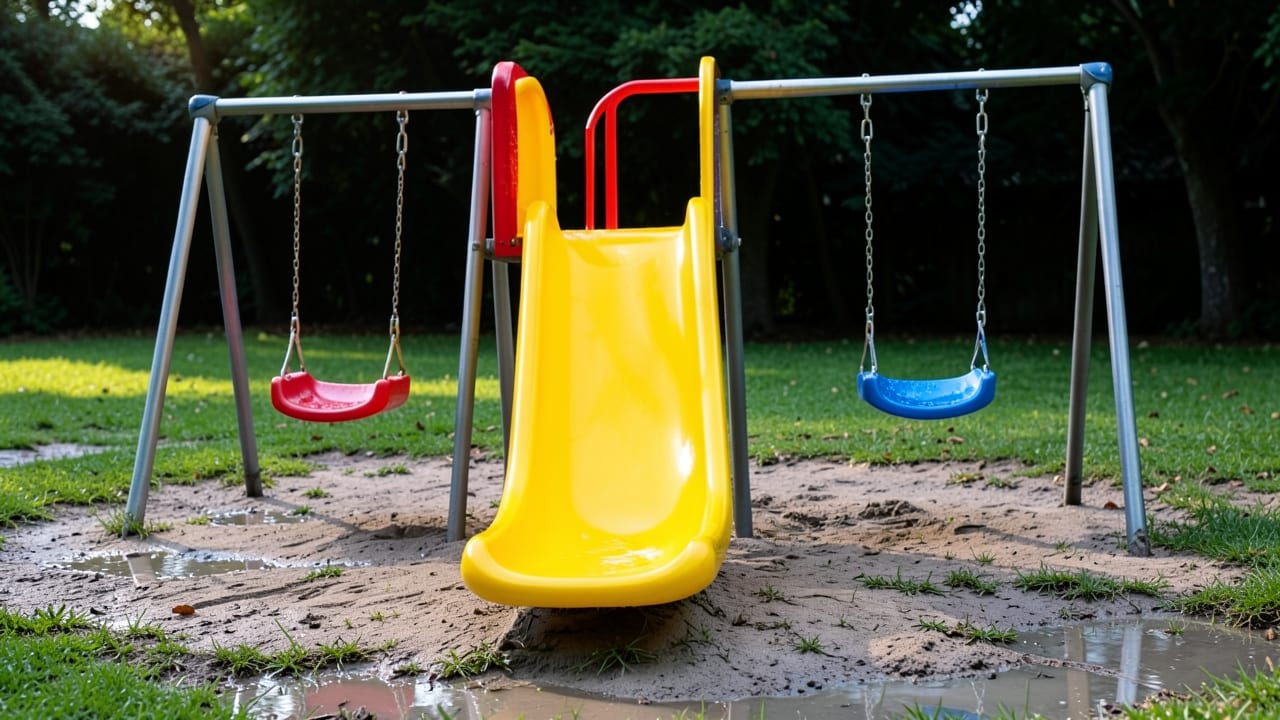
Playground Equipment Cleaning in Orange Park, FL
Pressure washing to remove dirt, grime, and mold from playground equipment for safety and hygiene.
Learn More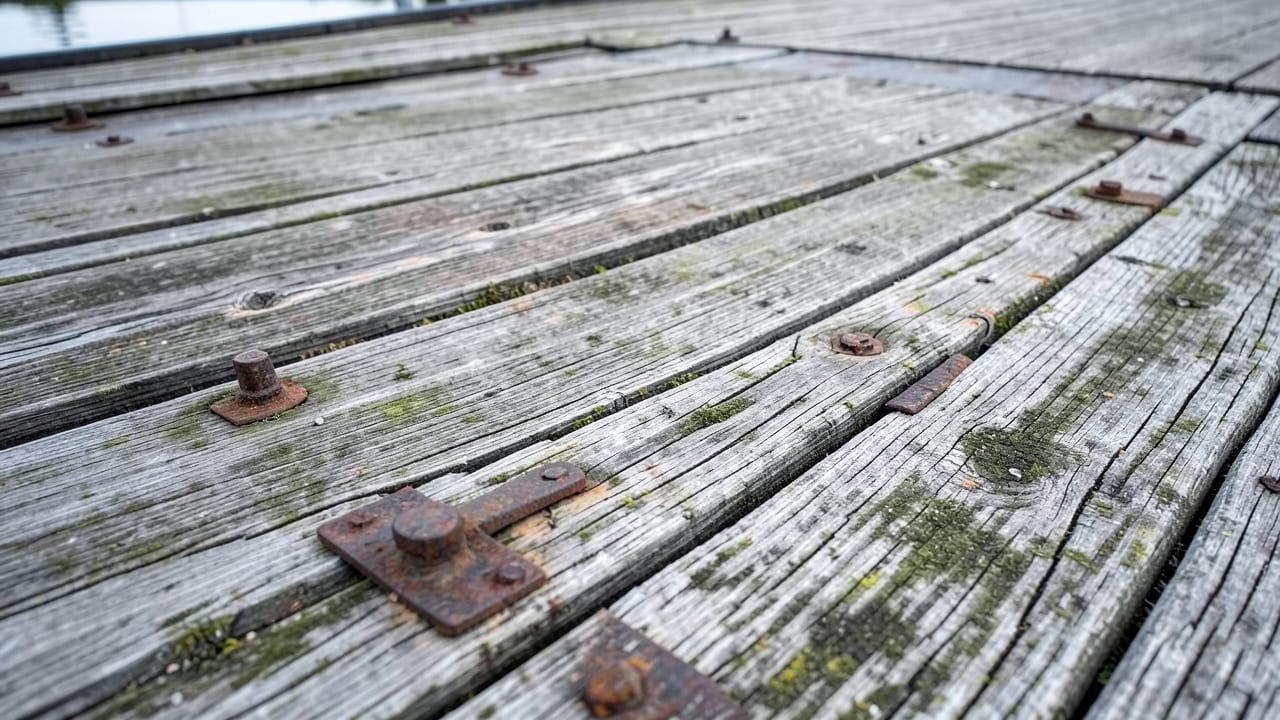
Boat Dock Cleaning in Orange Park, FL
Pressure washing to remove algae, grime, and debris from boat docks and surrounding areas.
Learn More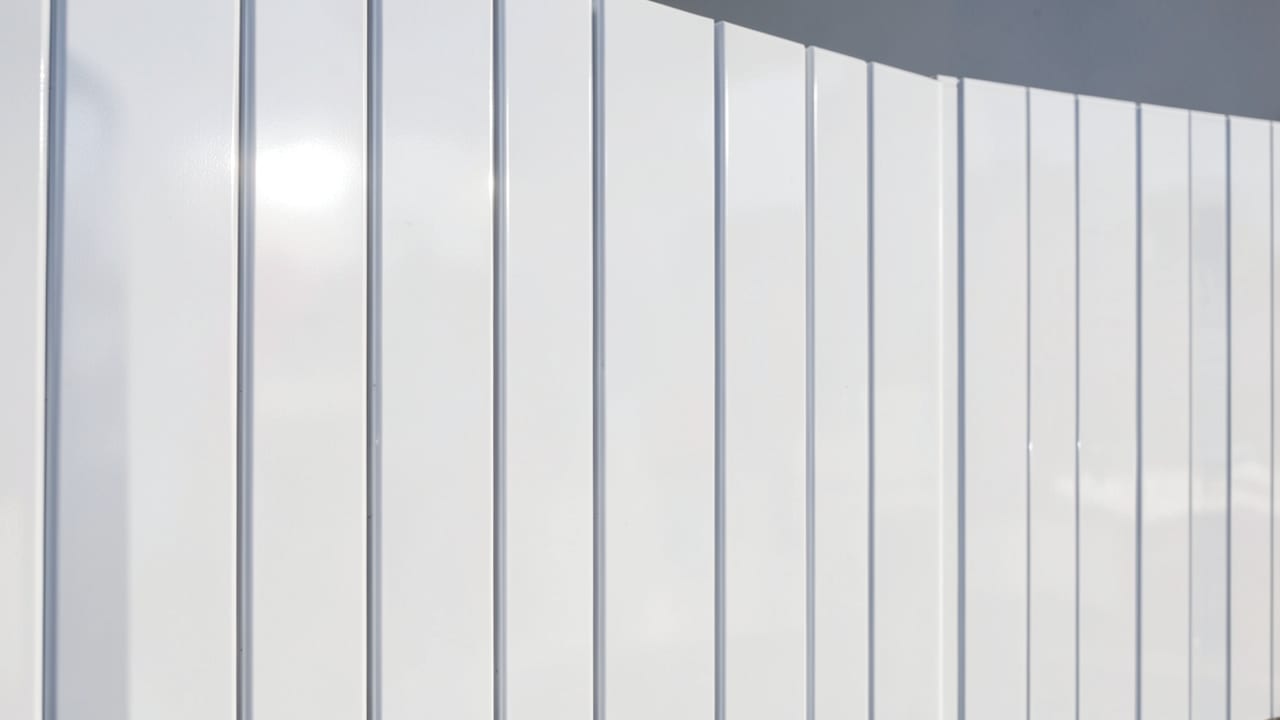
Vinyl Fence Cleaning in Orange Park, FL
High-pressure cleaning to remove dirt, mold, and grime from vinyl fences, restoring their appearance.
Learn More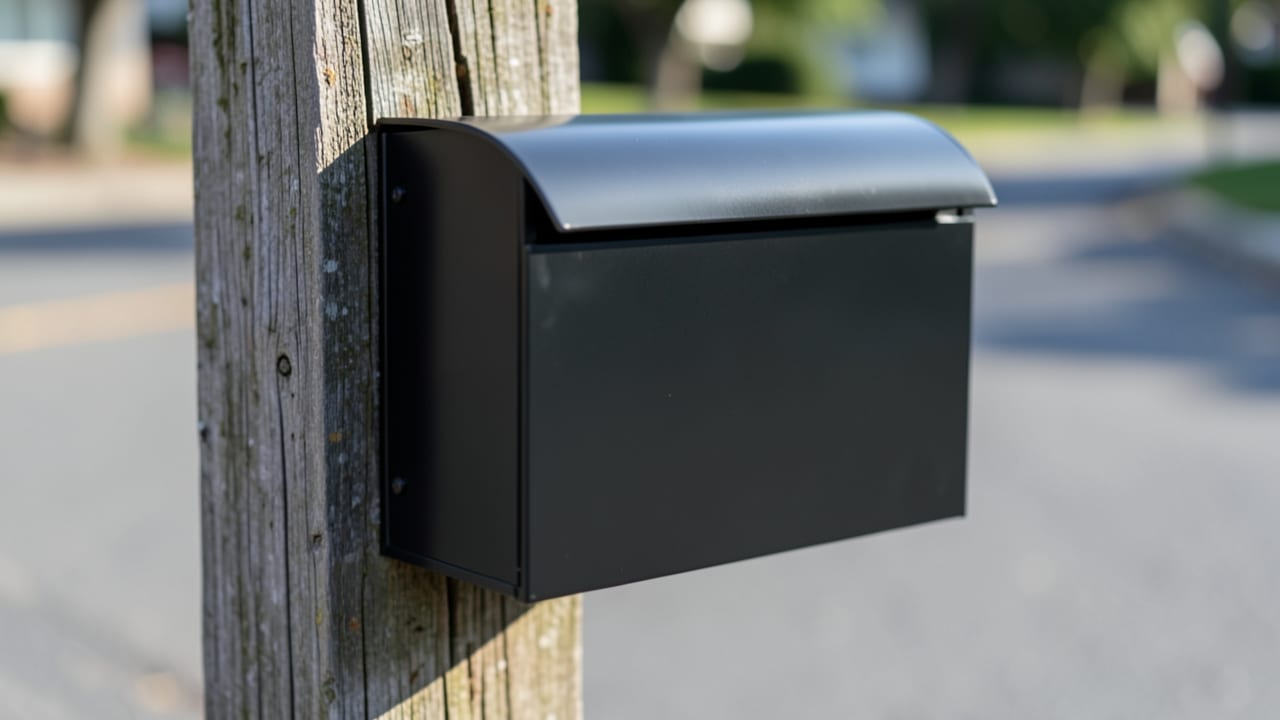
Mailbox Cleaning in Orange Park, FL
Pressure washing to remove dirt, grime, and stains from mailboxes.
Learn More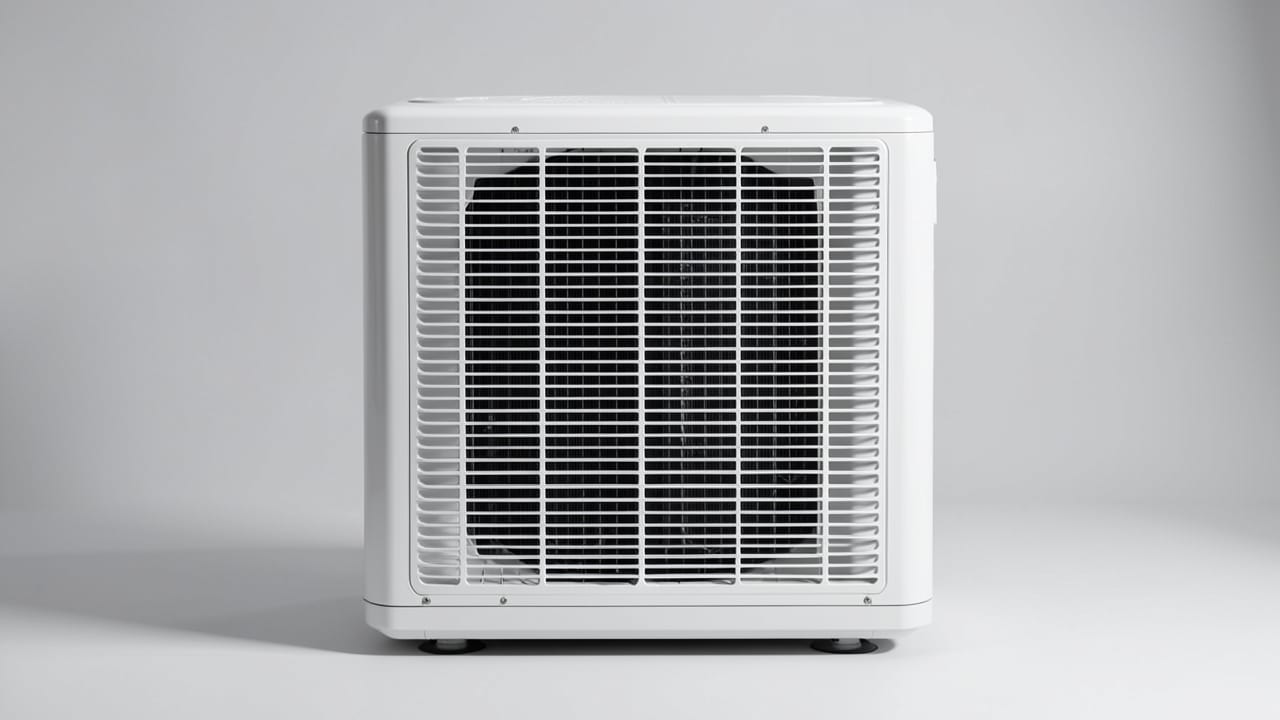
AC Unit Exterior Cleaning in Orange Park, FL
Pressure washing to remove dirt, debris, and grime from outdoor AC unit coils and housing.
Learn More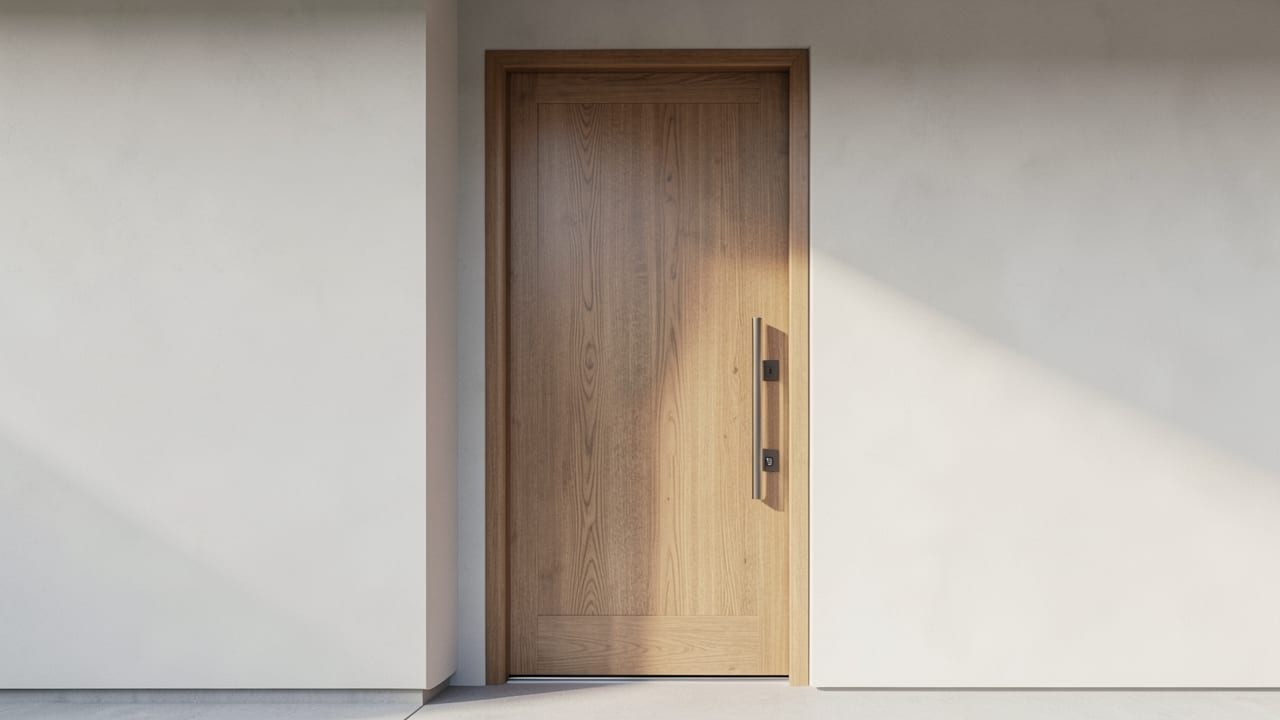
Exterior Door Cleaning in Orange Park, FL
High-pressure cleaning to remove dirt, grime, and stains from exterior doors.
Learn MoreCommon Questions About Pressure Washing in Orange Park
Everything you need to know about pressure washing services in Orange Park
How much does Glass Railing Cleaning typically cost in Orange Park, FL?
Why does algae and mildew growth on homes in Orange Park, FL come back so quickly?
How long does washing a typical house exterior take?
Can pressure washing damage concrete, pavers, or mortar joints?
What are the actual named steps in a professional pressure washing job?
Can the wrong PSI actually damage a house or driveway?
Need Pressure Washing in Orange Park?
Get a written quote from our Orange Park crew.
⏰ We answer your call • Serving all of Orange Park and surrounding areas